Equipping Families in Venezuela to Multiply Hope and Discipleship

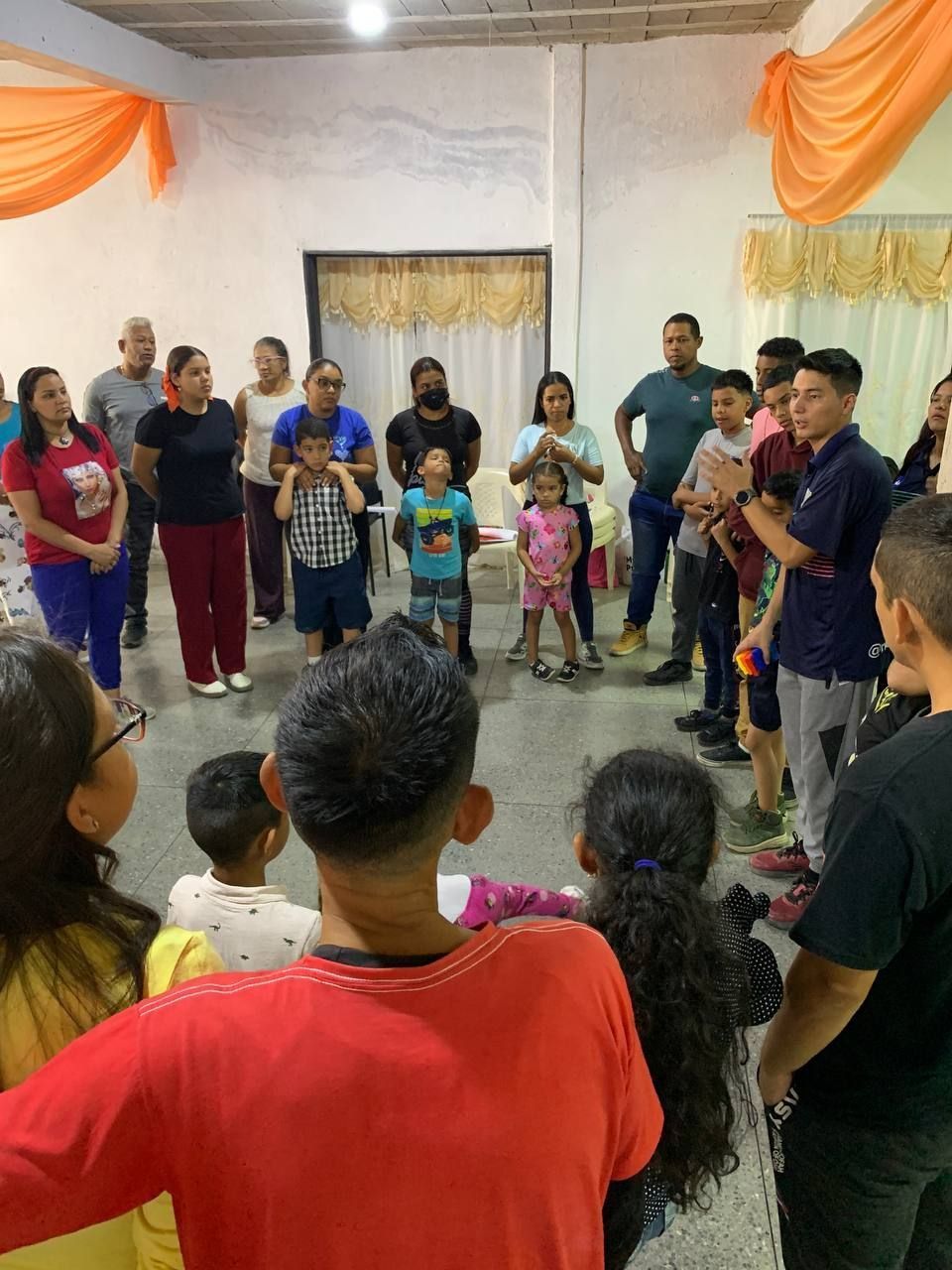
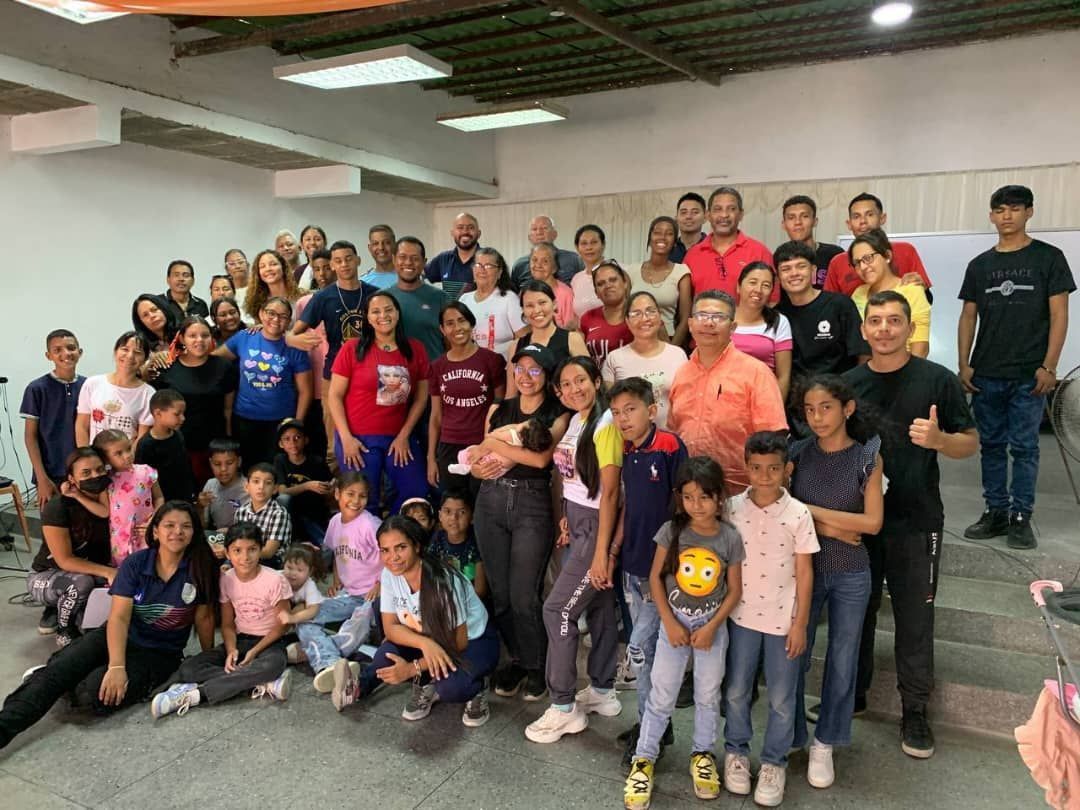
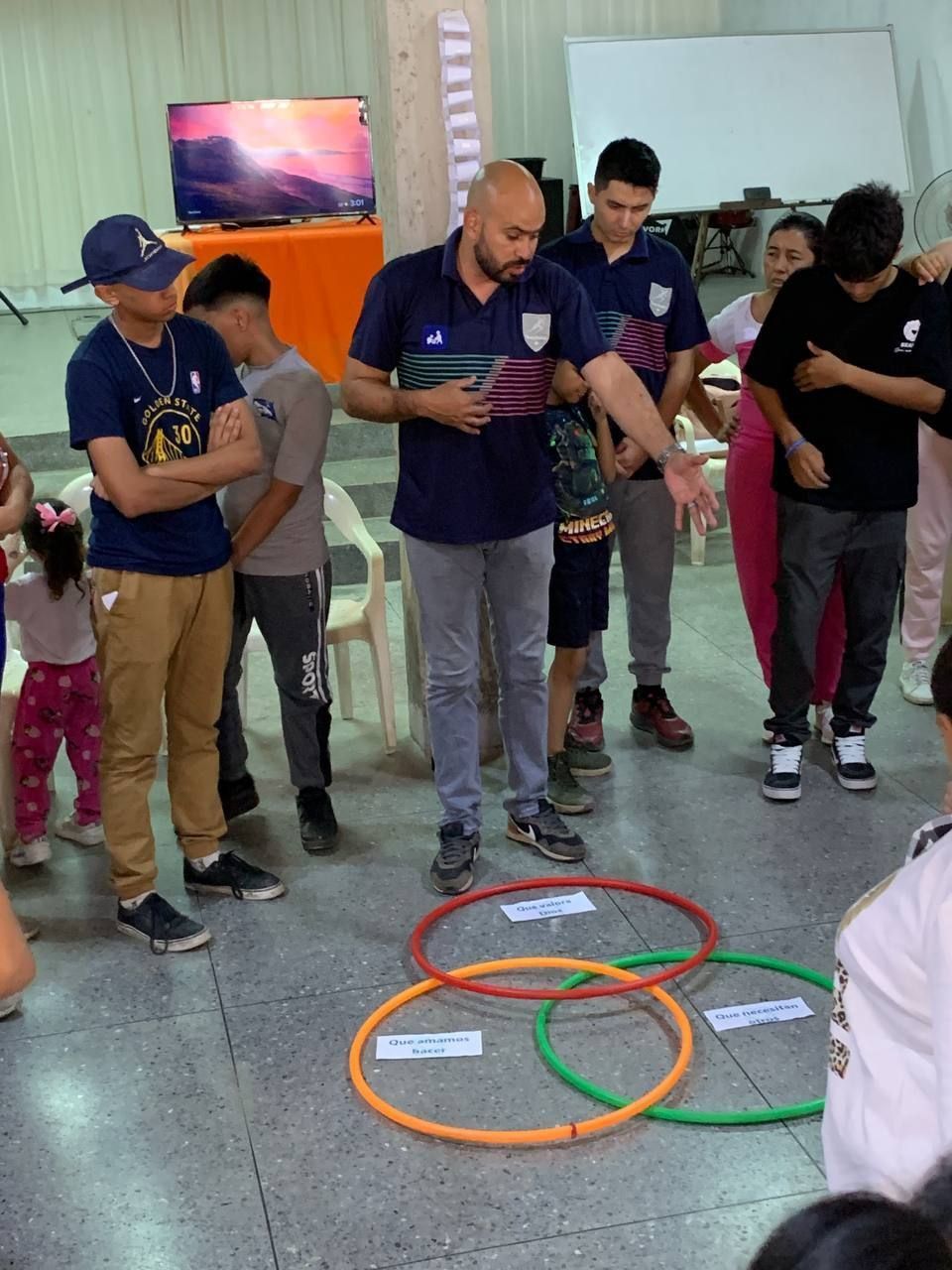
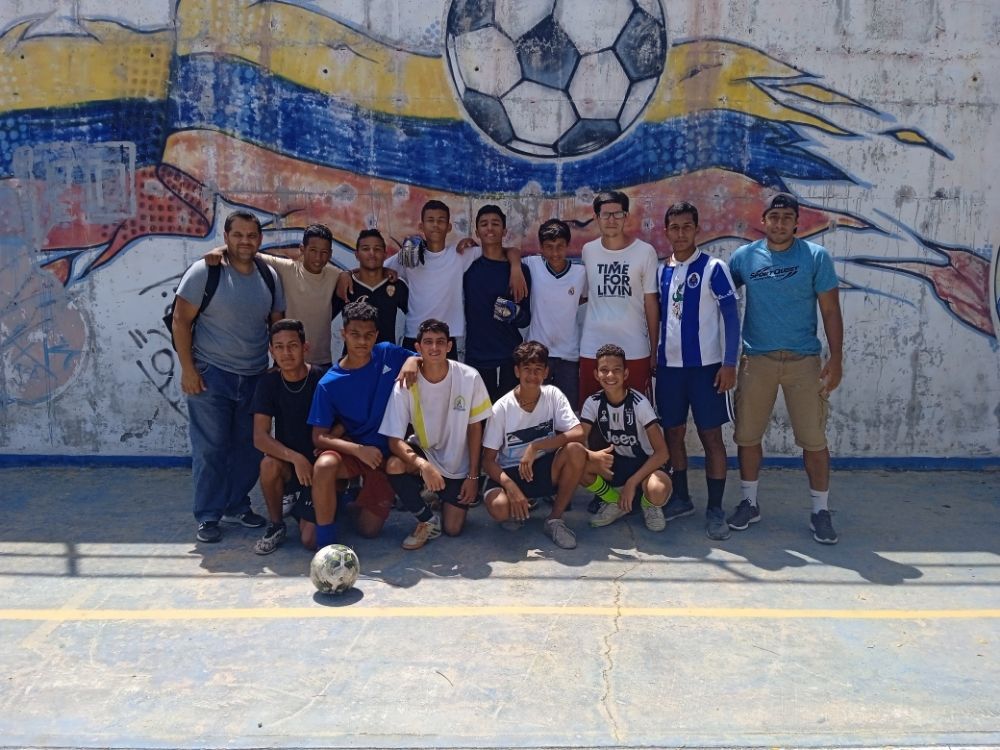
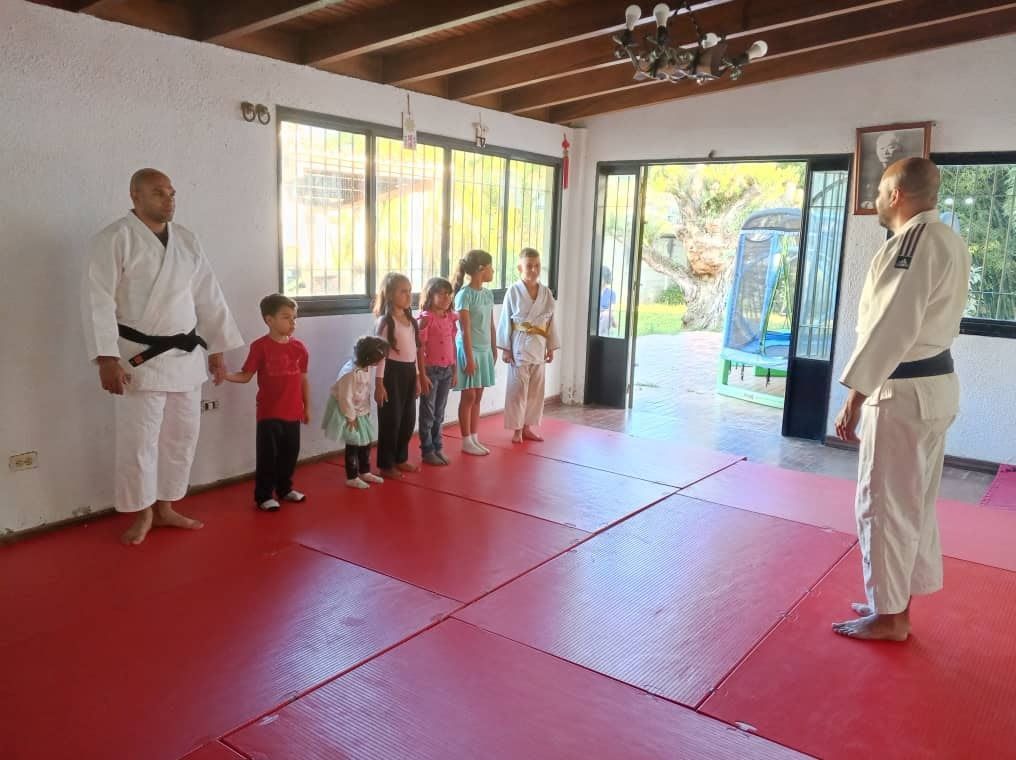
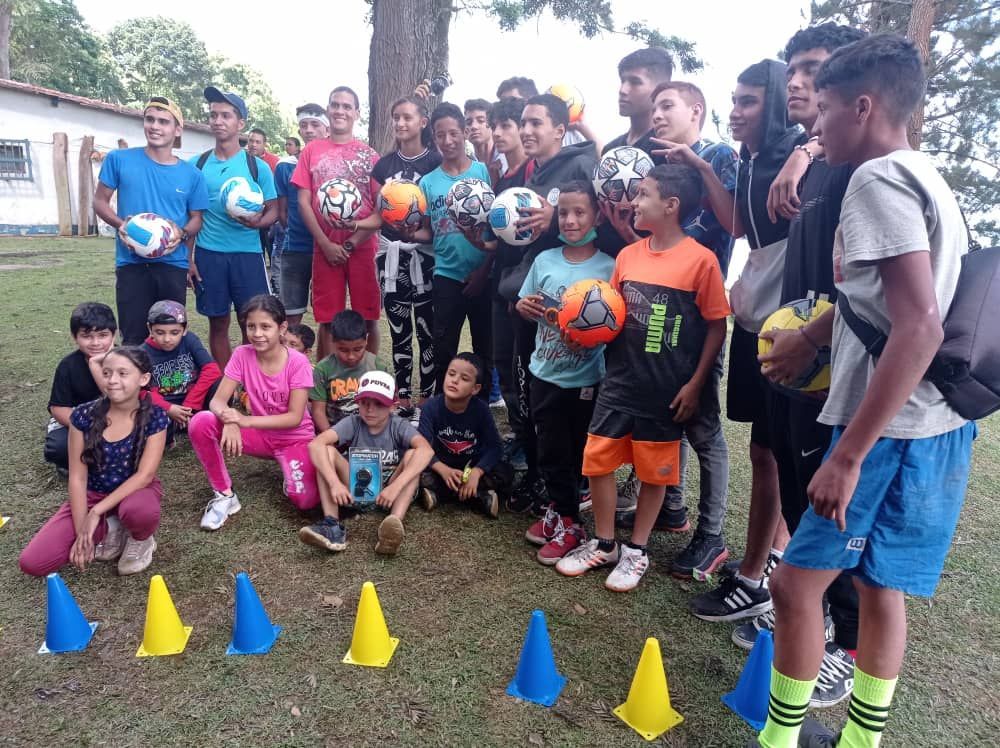
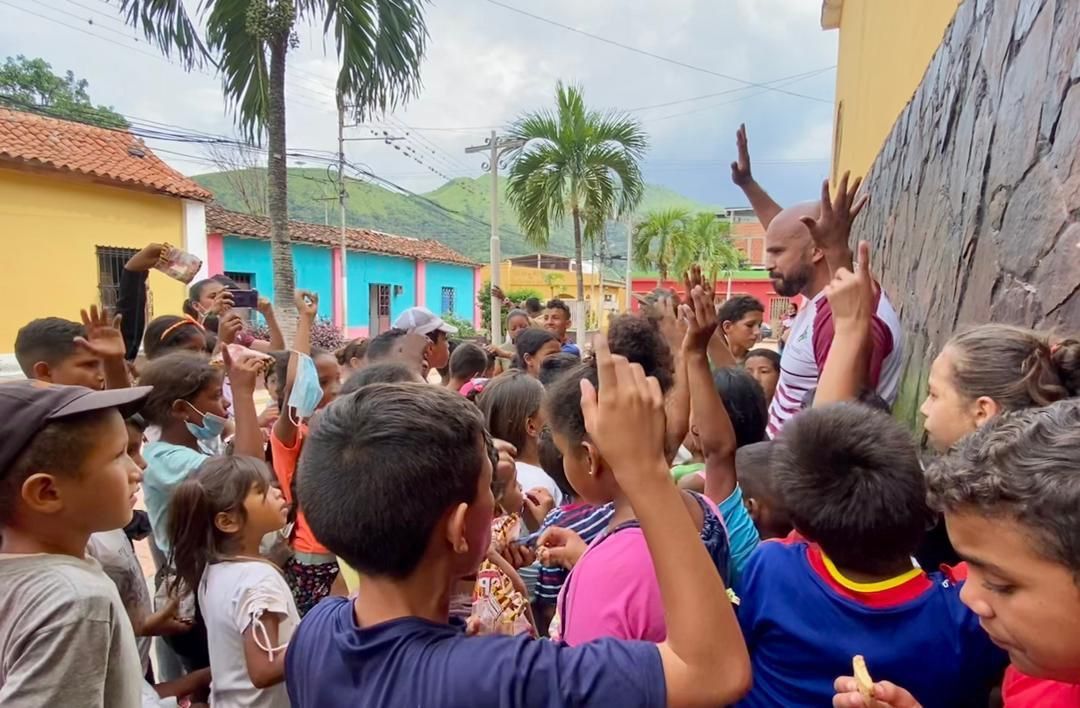
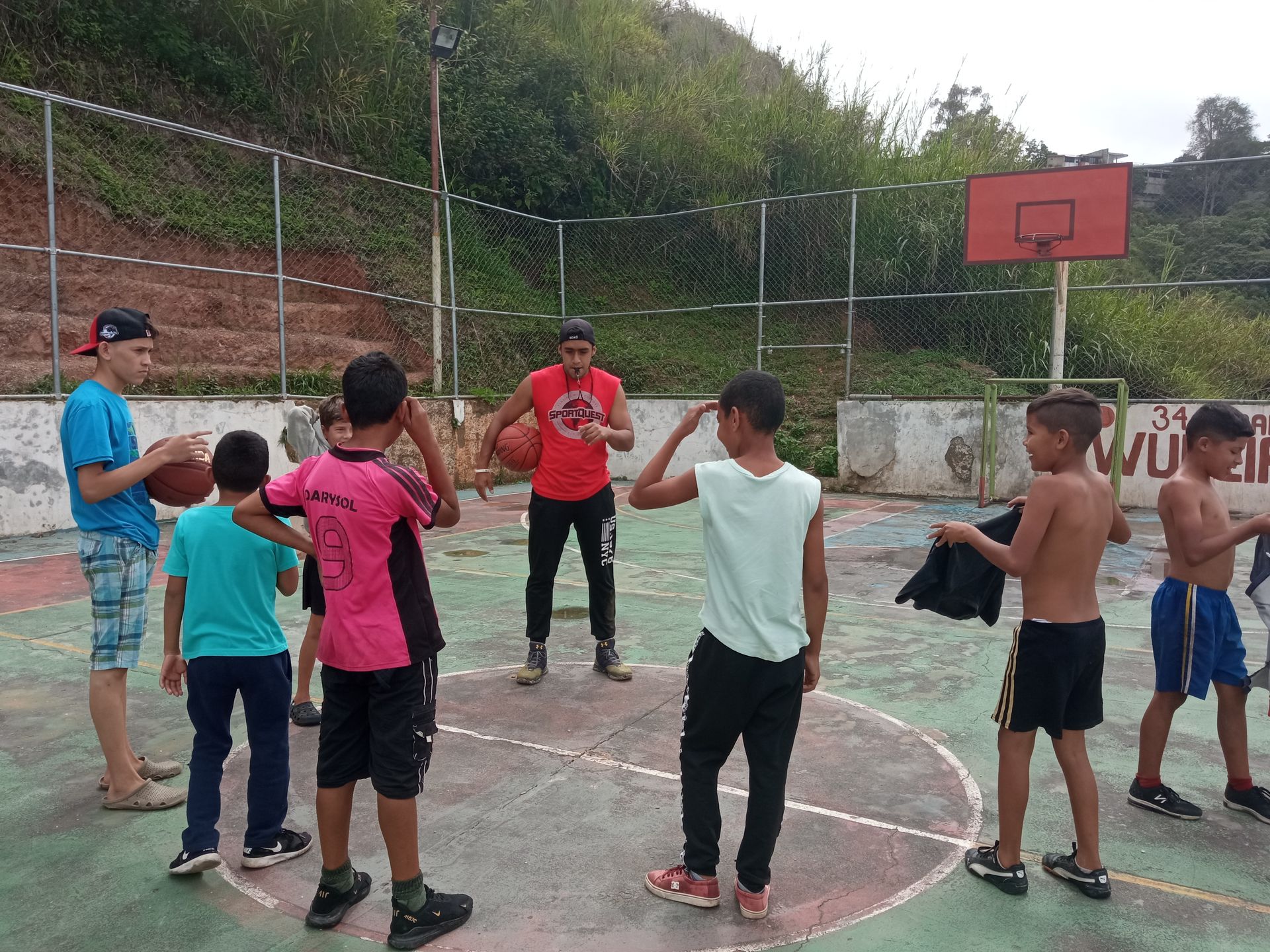
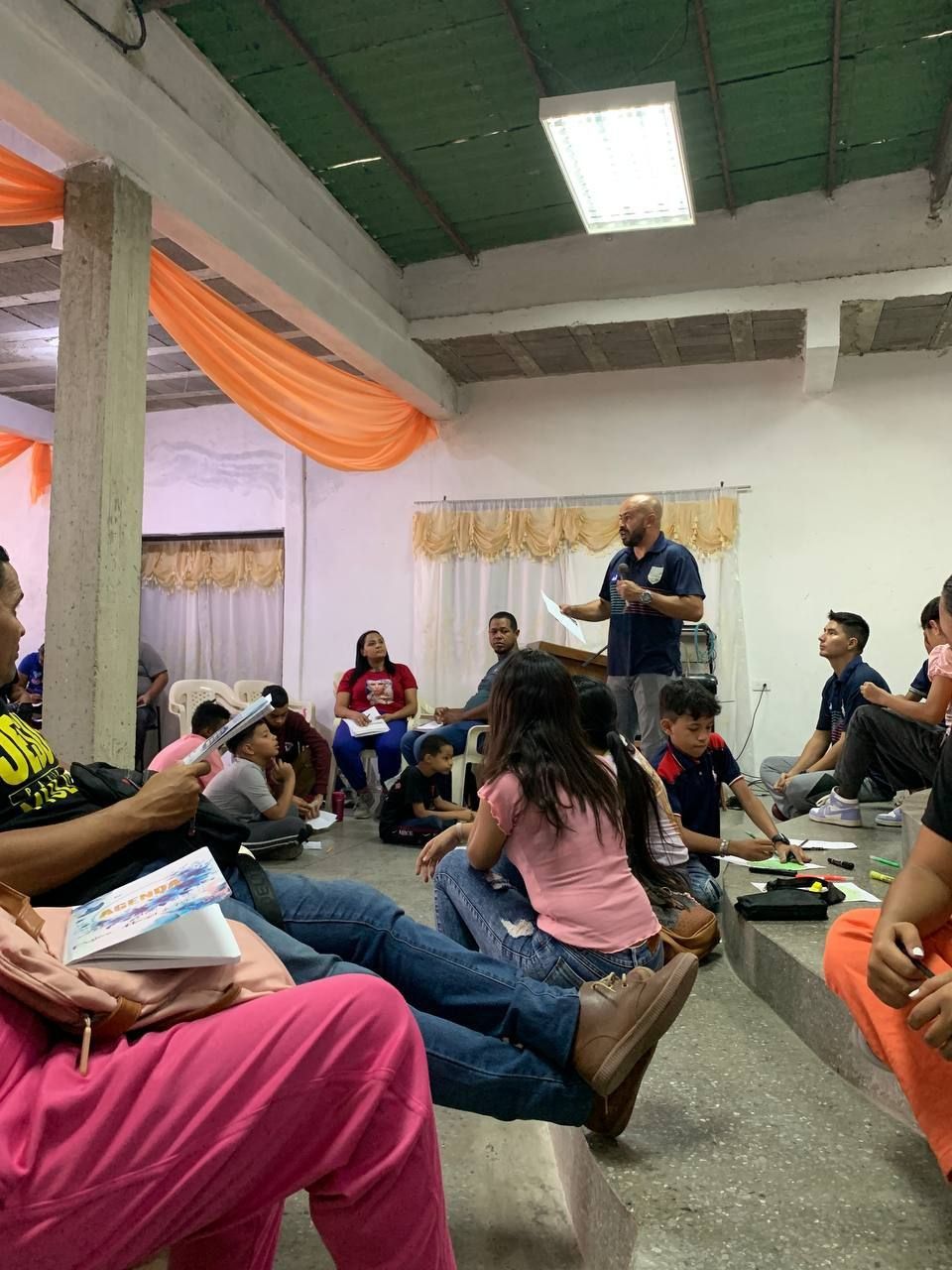
In Venezuela, SportQuest Partners like Oscar Peña and his team use sport-based training to equip families to live out their faith through service and discipleship amid ongoing crisis and uncertainty. In 2025, the team trained 165 families across Venezuela. This year, those families will reach more than 1,000 households through prayer, practical service, and the sharing of the gospel. The video below highlights a recent training where the team prepares families to identify neighbors in need, deliver food bags, and establish weekly Discovery Bible Studies—creating a multiplication effect with the potential to impact more than 6,000 people across 40 or more neighborhoods in 2026.
SHARE THIS ARTICLE


May 4, 2026
Nearly 3 out of 5 young people raised in the church walk away from their faith after high school. Read that again. More than half. We have more churches than ever. More Christian content, more ministry conferences, more resources for parents, more youth programming than at any point in history. And yet the faith of the next generation has never been more fragile. Something is clearly not working. The data, and Scripture, keep pointing to the same diagnosis: we have outsourced the spiritual formation of our children to professionals (pastors, youth workers, teachers). Professionals, no matter how good, cannot do what parents were created to do. Professionals should complement the primary work of parents, not replace it. This is the second of four pillars that define a Kingdom Outpost family. The first pillar, Multigenerational Vision , anchors a family in something larger than itself — a legacy of faith built intentionally across generations. This pillar, the Priesthood of the Family, names who is responsible for building it. God has not assigned that work to professionals or institutions. He has given it to parents — and this pillar is about equipping them to own it. The Outsourcing Problem It happened gradually. As modern life became more specialized, the instinct to find a professional for every need crept into the church. We have children’s ministers, youth pastors, small group leaders, and discipleship coordinators. All of these roles serve important functions. But somewhere along the way, many Christian parents began treating them as the primary spiritual leaders of their children, rather than as support for what was supposed to happen at home. The result is a generation of children who know more about what their youth pastor believes than what their father believes. Who have had more spiritually formative conversations with a camp counselor than around their own family’s table. This is not primarily a church problem. It is a home problem. Deuteronomy 6:4-9 clearly lines out where spiritual formation takes root: “You shall teach them diligently to your children, and shall talk of them when you sit in your house, and when you walk by the way, and when you lie down, and when you rise.” Not at church. At home. In the ordinary, repeated, unhurried moments of daily life. What Is the Priesthood of the Family? For most of church history, the word priest called to mind a specially trained, officially ordained religious professional — someone set apart from ordinary life to mediate between God and everyone else. If you wanted access to God, you went through them. The Protestant Reformation blew that door open. First Peter 2:9 says it plainly: "You are a chosen people, a royal priesthood, a holy nation, God's special possession." Not the clergy. You. Every believer. In Christ, you have direct, unmediated access to God — to His presence, His Word, His voice. You don't need a go-between. The veil was torn. The door is open. And that access comes with a calling: to minister to those in your care, beginning with the people under your own roof. Martin Luther captured it with a simple phrase: "a priest at every elbow." He meant that in any gathering of believers, you are surrounded by priests — ordinary men and women who carry the presence of God and are called to serve one another. No title required. No seminary degree. Just a life surrendered to Christ and a willingness to lead. When you apply that to the family, it becomes one of the most clarifying truths in Scripture: you are the priest of your home. Not the youth pastor. Not the children's minister. Not the most spiritually gifted person at your church. You. The parent at the dinner table, the one tucking kids in at night, the one your children watch when life gets hard. That is not a burden reserved for the especially qualified. It is the calling that belongs to every parent in every home. Three Functions of a Family Priest What does it look like practically to function as a priest in your home? Scripture points to three primary responsibilities. We summarize them as: Create, Carry, and Call. 1. Create an environment where your family can meet with God. In ancient Israel, the priests didn’t design the tabernacle. God did. But they prepared it. They maintained it, kept it pure, and set it apart so that His presence could dwell among His people. In your home, this means intentionally shaping the rhythms and spaces where God is welcomed, a dinner table with room for spiritual conversation, a bedtime routine that includes prayer, a weekly Sabbath that creates margin for rest and connection with God. This doesn’t need to be elaborate. It needs to be consistent. 2. Carry the presence of God. The priests of Israel carried the ark through the wilderness and into battle. Wherever they went, the people were reminded that God was with them. As parents, we carry His presence into our homes through how we live, how we respond to stress, how we handle failure, how we treat each other, how we receive grace. Here’s the honest reality: your children are watching not for your best moments but for your most unguarded ones. When you lose your temper and come back to apologize, you are teaching them something profound about repentance. When you face a hard season with faith rather than panic, you are teaching them something about the character of God. The presence you carry is not just about what you do in your organized family devotional. It is about who you are when no one is performing. 3. Call out identity with words of blessing. The Aaronic blessing of Numbers 6 was not a priests’ invention. It was God’s. The priests were commanded to declare over Israel what God had already promised: that His people were chosen, loved, and set apart. Their words didn’t create that identity. They confirmed it. As parents, we do the same. We speak God’s truth over our children before the world speaks its own version. We name who they are in Christ before peer pressure, social media, or cultural confusion tries to name them something else. The words you speak over your children, consistently, specifically, rooted in Scripture, become one of the most powerful forces shaping their identity. What About Imperfect Priests? Every honest parent will read this and feel the weight of their own inadequacy. The failures, the missed opportunities, the seasons of spiritual passivity. We have all been there. But notice who God chose to establish the pattern of multigenerational priestly faithfulness: Abraham. A man who lied to Pharaoh, doubted God’s promise, and tried to engineer his own solution through Hagar. His failures are extensive and well-documented. Yet God called him faithful. Because faithfulness is not the absence of failure. It is the persistent posture of returning. Abraham kept coming back to the altar, kept listening for God’s voice, kept leading his household in the direction of covenant faithfulness. That’s the model. Your children don’t need a perfect priest. They need a present one. One who is honest about their failures, quick to seek forgiveness, and unwilling to quit. Where to Start If this is new territory for your family, the most important thing is not to find the perfect system. It is to begin. Start with one daily rhythm, a prayer before bed, a brief moment of Scripture at breakfast, a question at dinner that opens the door for spiritual conversation. Build from there. Over time, these small repeated practices become the architecture of a family that knows how to meet with God together. The spiritual development of your family is yours to lead. That is not a burden. It is one of the most significant privileges you have been given. You are the priest of your home. Now walk in it. Making It Practical: Embracing your role as the priest of your home does not require a seminary degree or a perfect track record. It requires a willingness to begin with what you have. Here are a few concrete places to start. Establish a daily rhythm. Choose one consistent moment each day, breakfast, bedtime, or the dinner table, and anchor it with a brief prayer or a question that opens spiritual conversation. It does not have to be long. Five minutes done faithfully beats an elaborate plan that never happens. Write it on the calendar if you need to. Protect it like you would any other appointment. Speak blessing over your children. Before bed or before school, say something specific and true about who your child is in Christ. Name a character quality you see in them. Pray a short blessing over them out loud. Do this consistently, and watch what begins to take root in them, and in you. Let them see you receive grace. When you fail, and you will, do not disappear or deflect. Go back and own it. Apologize to your kids when you need to. Ask God’s forgiveness out loud where they can hear it. This is not weakness. It is some of the most powerful priestly leadership you will ever model. Build toward a weekly family practice. Once daily rhythms begin to take hold, add one weekly practice: a family devotional, a meal with intentional conversation, a Sabbath rest that creates space for connection. Start small. One rhythm, done consistently, builds more than ten rhythms attempted and abandoned. The goal is not a perfect family. It is a home where God is present and your children know it. A Final Word The spiritual direction of your home does not form by accident. Someone shapes it, and God designed that responsibility to rest with you. You do not need to have every answer, but you do need to lead. Your children are not looking for a perfect example. They are watching a faithful one, and they are learning what it means to follow God by watching how you follow Him. Start where you are. Stay consistent, and keep coming back. The leadership you carry today will shape what your family believes, how they live, and who they become. That is worth leading well.
May 4, 2026
Chuck had led a small men’s group from his home for years. Like most groups, attendance shifted with the seasons. Some weeks ten men gathered. Other weeks only a few showed up to open Scripture, talk honestly about life, and pray together. One summer evening, something unexpected happened. A new name appeared on the group signup list. Chuck assumed an older man wanted to join. Instead, when the doorbell rang, an eighteen year old stood on the porch. He walked into a room of men mostly in their thirties through sixties and immediately joined the conversation. He spoke openly about his faith, served in children’s ministry, and attended church consistently. Before the night ended, he asked a simple question. Could he invite some friends? The following week, he returned with three more high school seniors. Over the next several months, those young men became part of the group. They showed up ready to engage, read Scripture daily, invited others to church, and demonstrated a depth of faith that stood out. “These guys inspired us as much as we encouraged them,” Chuck said. “They pursued Jesus in a way that made all of us want to grow.” As the relationships deepened, something else became clear. These young men did not simply attend. They pursued wisdom. They wanted to spend time with older men who had faced real challenges and could speak honestly about faith, failure, and growth. That pursuit stirred something in the group. During a Sunday service, Chuck sensed a clear prompting. One of these young men should attend the Youth Leadership Initiative, a wilderness leadership experience that challenges young leaders and helps them understand what it means to lead with purpose. At first, he considered sending one. That conviction did not settle. Why send one when four were ready? Chuck shared the idea with the men in his group. He hesitated to ask for financial support, knowing some carried real financial strain. Within an hour, every man committed to give. By the end of the week, they raised more than enough to send all four. “One of the men had just gone through bankruptcy,” Chuck said. “And he still gave. Every man stepped forward because they believed in investing in these young men.” They kept the plan quiet. At the next gathering, they asked the students to come because they had something to share. When the moment came, the group told them the cost was already covered. All four could attend. One of the young men struggled to accept it. The next day, he told Chuck he did not feel worthy. He believed someone else deserved the opportunity more. Chuck reminded him that leadership in God’s Kingdom does not depend on background or status. God forms leaders where He places them. After that conversation, he agreed to go.
May 4, 2026
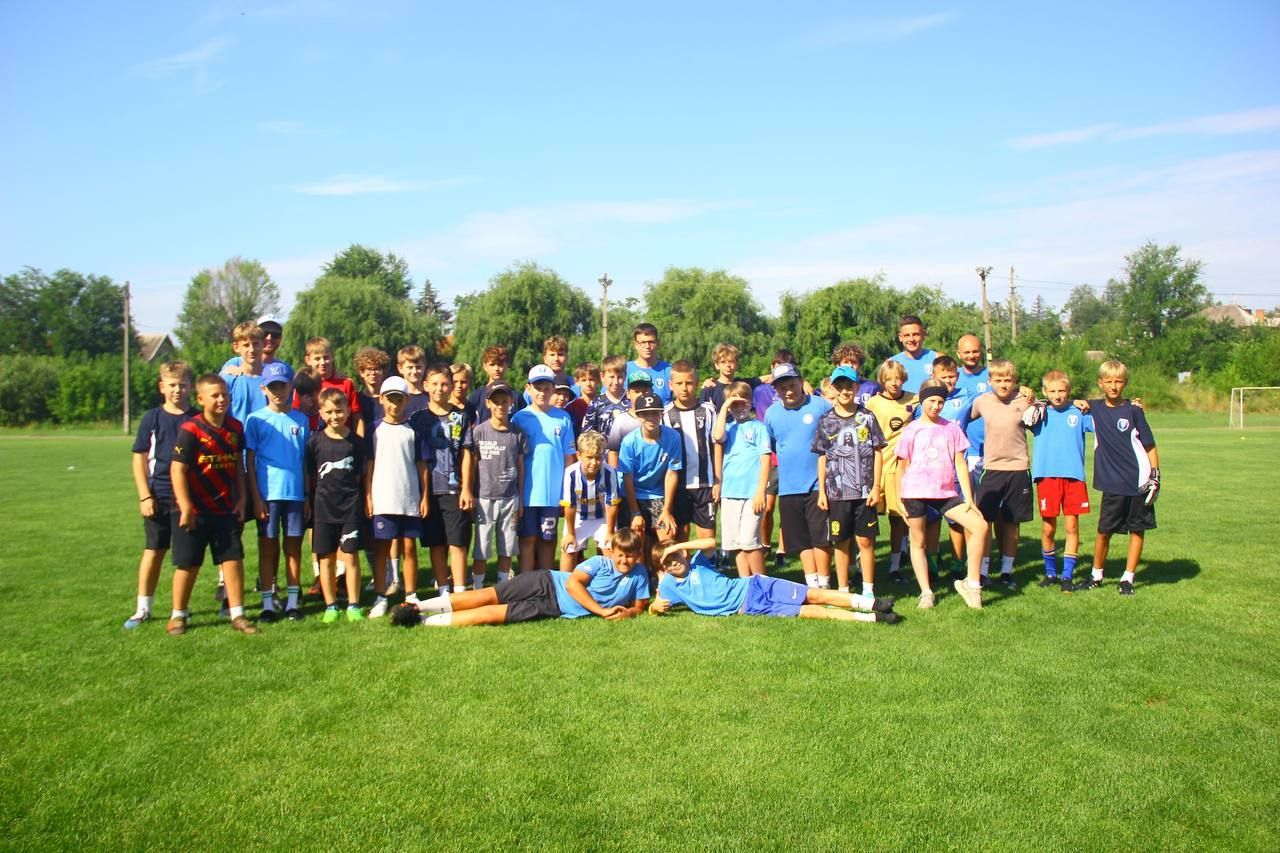
Pasha leads SportQuest’s work across Ukraine with a clear focus. He uses sport to serve children, connect families, and equip local leaders who continue the work within their own communities. Pasha watches as kids run onto a worn field, some laughing, some unsure, all ready to play. In a country where daily life shifts with the sound of sirens, the camp creates a place for children and leaders to gather. For a few hours, they focus on something steady. They play, connect with friends, and experience a sense of normalcy. How It Started Pasha did not set out to lead this kind of work. As a young athlete, he attended a KidsGames outreach in his community. A coach invested in him, shared the Gospel, and remained consistent in his life. That relationship changed his direction. “I became a Christian through this project,” Pasha says. He pursued training in physical education and coaching, then stepped into ministry roles that allowed him to invest in others. In 2017, he joined SportQuest and committed to long-term work in Ukraine. “SportQuest did not ask me to become something else,” he says. “They strengthened what God already started.” That calling now plays out in a simple and repeatable way. Each camp begins with children gathering and leaders welcoming them into the day. A story connects sport to a biblical truth, and then the group moves into activity. Kids run drills, compete, and learn how to function as a team. Local leaders carry the responsibility. Church volunteers, young leaders, and community partners lead each part of the camp. Pasha focuses on equipping those leaders so the work continues long after the camp ends. On the final day, parents step onto the field and join their children. They play together, meet the leaders, and begin to build trust. What starts on the field begins to extend into the home and the local church. When Everything Changed In 2022, Pasha remained in his village as the war moved closer. During that time, a group of missionaries arrived ready to serve. They brought food, spent time with families, and gathered more than 500 people in one place. That moment stayed with him. He saw how quickly children responded when someone created space for them. He launched a camp next to a damaged school in his village, even without ideal conditions. From there, the work expanded. Fifty camps reached more than 1,500 children the following year. By 2024, camps had reached 12,467 children across 148 camps in 109 settlements, with 2,614 leaders serving across the work. The reach continued in 2025, as camps reached 13,027 kids. By 2025, leaders had also established 204 sports clubs, creating hundreds of ongoing points of connection within local communities. Many of these communities lack fields, equipment, and consistent access to organized activity. Pasha and his team adapted by building a mobile model they call “camps on wheels.” Teams bring equipment, structure, and leadership into each location. They set up wherever children gather and create a consistent experience in places that often get overlooked. “We go to them,” Pasha says. “We do not wait for them to come to us.” What Happens After The goal extends beyond the camp itself. Leaders build relationships with families, and parents connect with people they trust. Local churches continue the work by following up, hosting gatherings, and staying present in the community. “We see families return,” Pasha says. “They come back because they know and trust the coaches and leaders at the camps.” The camp becomes a starting point for ongoing engagement rather than a one-time event. Pasha measures success by the leaders who step forward. New volunteers continue to join, even in difficult conditions. Teenagers learn from more experienced leaders and over time begin to take ownership themselves. Pasha walks alongside them as they grow in leadership, teamwork, communication, and serving others. The Daily Reality Each camp requires between $1,000 and $2,000 to operate. Teams navigate staffing challenges, travel limitations, and security concerns. Air raid alerts and drone activity interrupt plans and require constant awareness. Checking for nearby activity mid-meeting or mid-conversation is simply part of daily life now. These realities shape every decision, but they do not stop the work. What Comes Next The structure is in place, and leaders continue to step forward. Communities respond, and churches stay engaged. Additional support would expand the reach and strengthen the depth of this work. More funding allows Pasha to train leaders, launch additional camps, and serve more families in areas that currently remain unreached. “More support gives us time to invest where it matters most,” Pasha says. Be Part of It This work continues because people choose to be part of it. When you give, you help equip leaders who remain in their communities. You help create spaces where families connect and engage with local churches. You help extend this work to areas that need it now. You can support this work through a donation to SportQuest at https://www.sportquest.org/donate .