Showing Up Matters

The 2026 Belgium Vision Trip


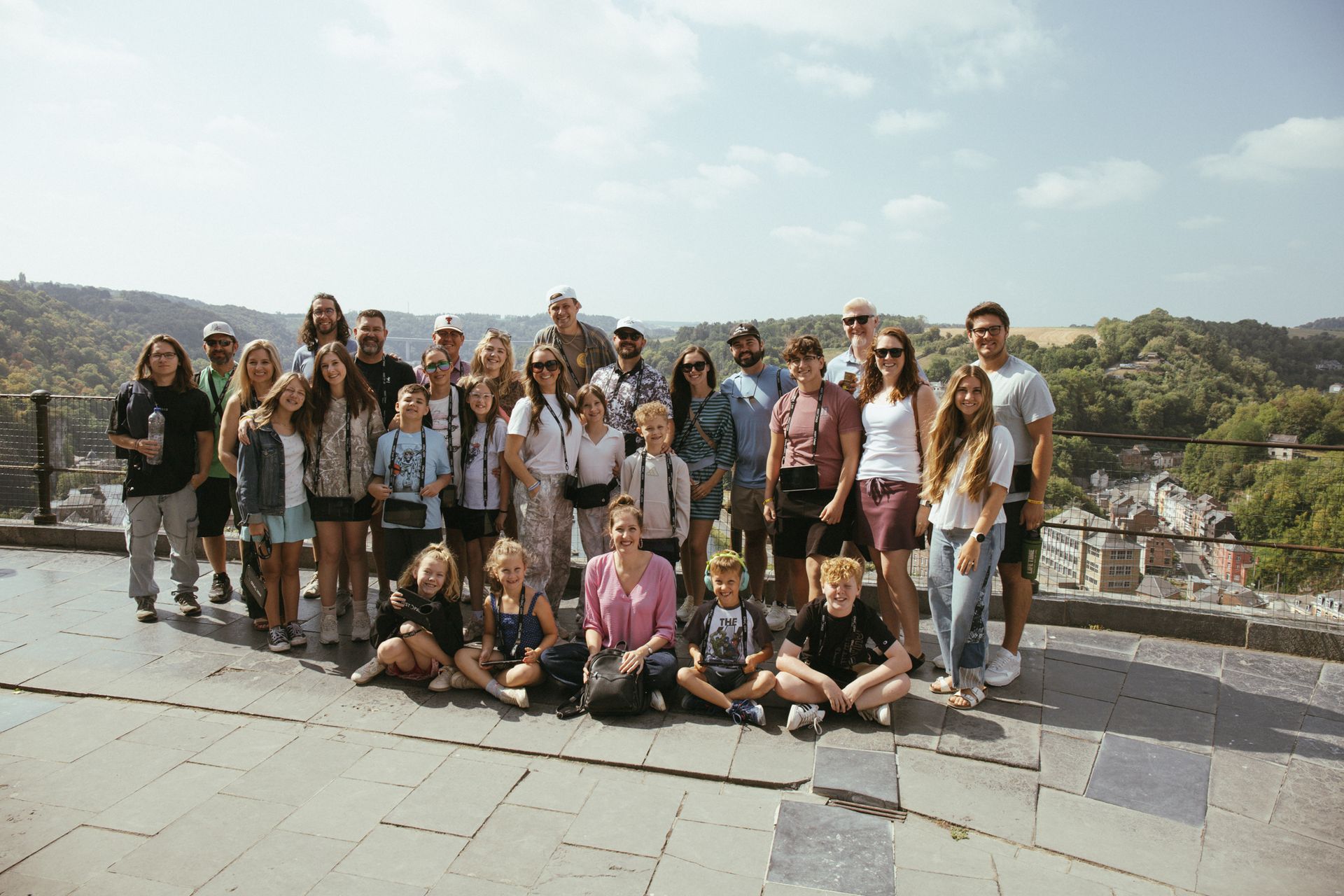
The 2026 SportQuest Vision Trip to Santiago, Chile brought together a team with a clear purpose. Nine team members from Betenbough Homes in Texas joined SportQuest leaders, Kent and Dona Wright, alongside Mynor and Rachel Mendez. Together, they stepped into a week focused on serving, learning, and supporting the work trusted local partners lead.


From the first day, the team did not operate as a separate group. They integrated into the rhythm of ministry already active in Santiago.


Serving Alongside Faithful Local Leadership

In Santiago, José and Gislaine Eyzaguirre lead steady, relational ministry through both the local church and the school community. José pastors Iglesia Bautista Recoleta and serves as chaplain at Colegio Echaurren, a K–12 school where he engages students daily. Many of these students come from broken family environments and face realities shaped by trauma, abuse, poverty, and normalized violence. Their openness, engagement, and willingness to connect with the team carried significant weight. What developed throughout the week reflected more than participation. It showed trust forming in a place where people do not give trust easily.


The team entered that work ready to support it.


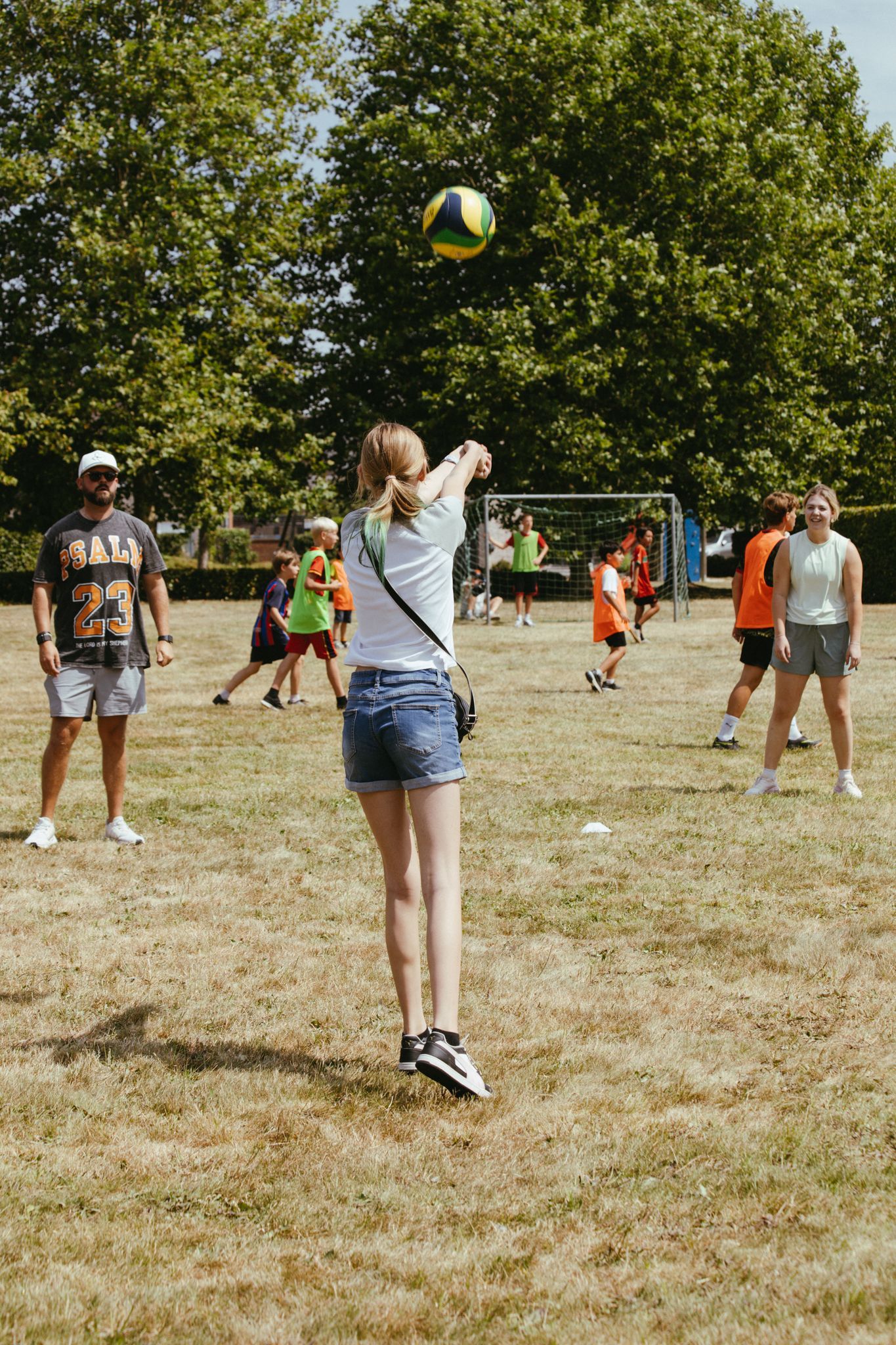
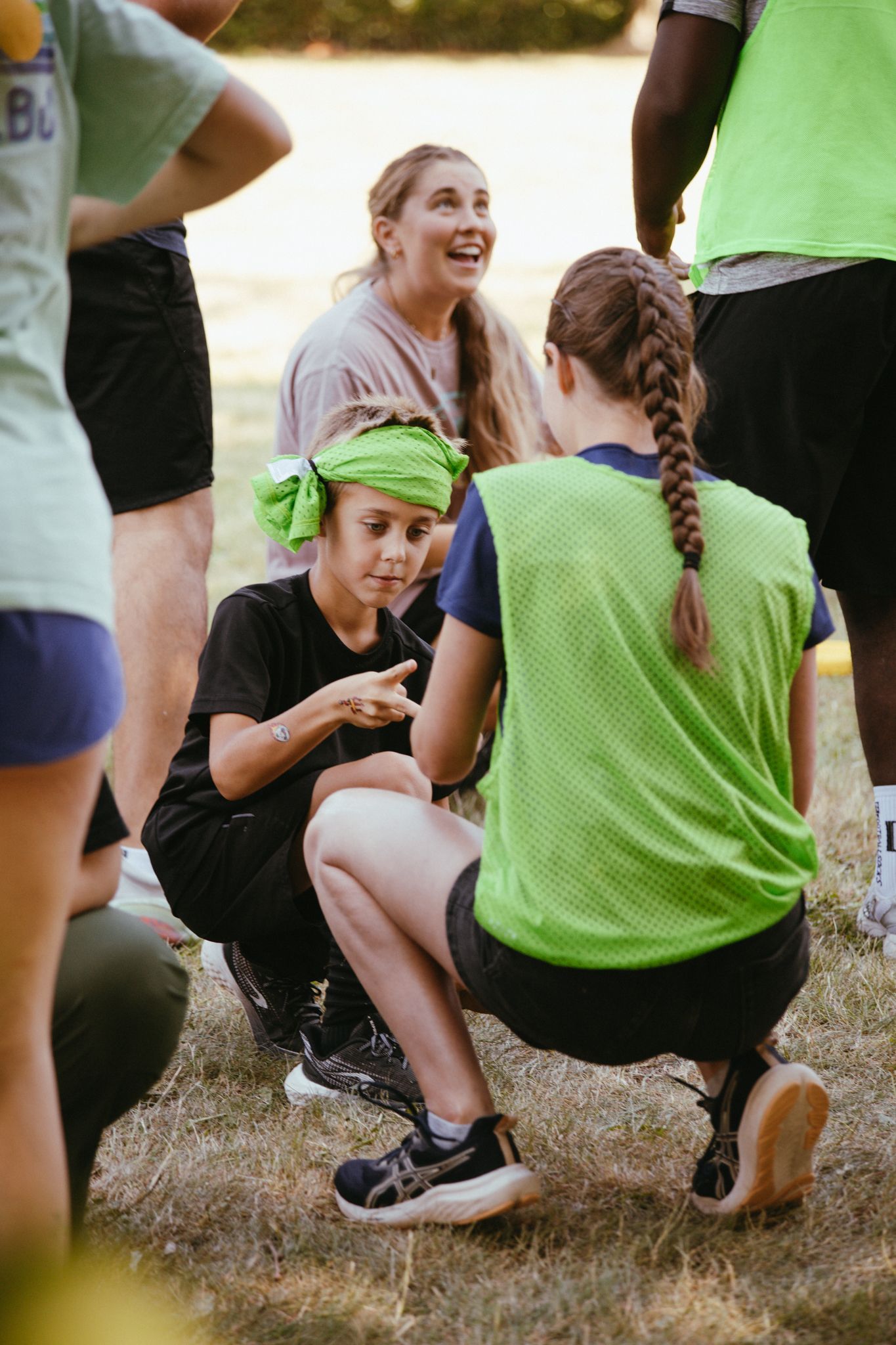
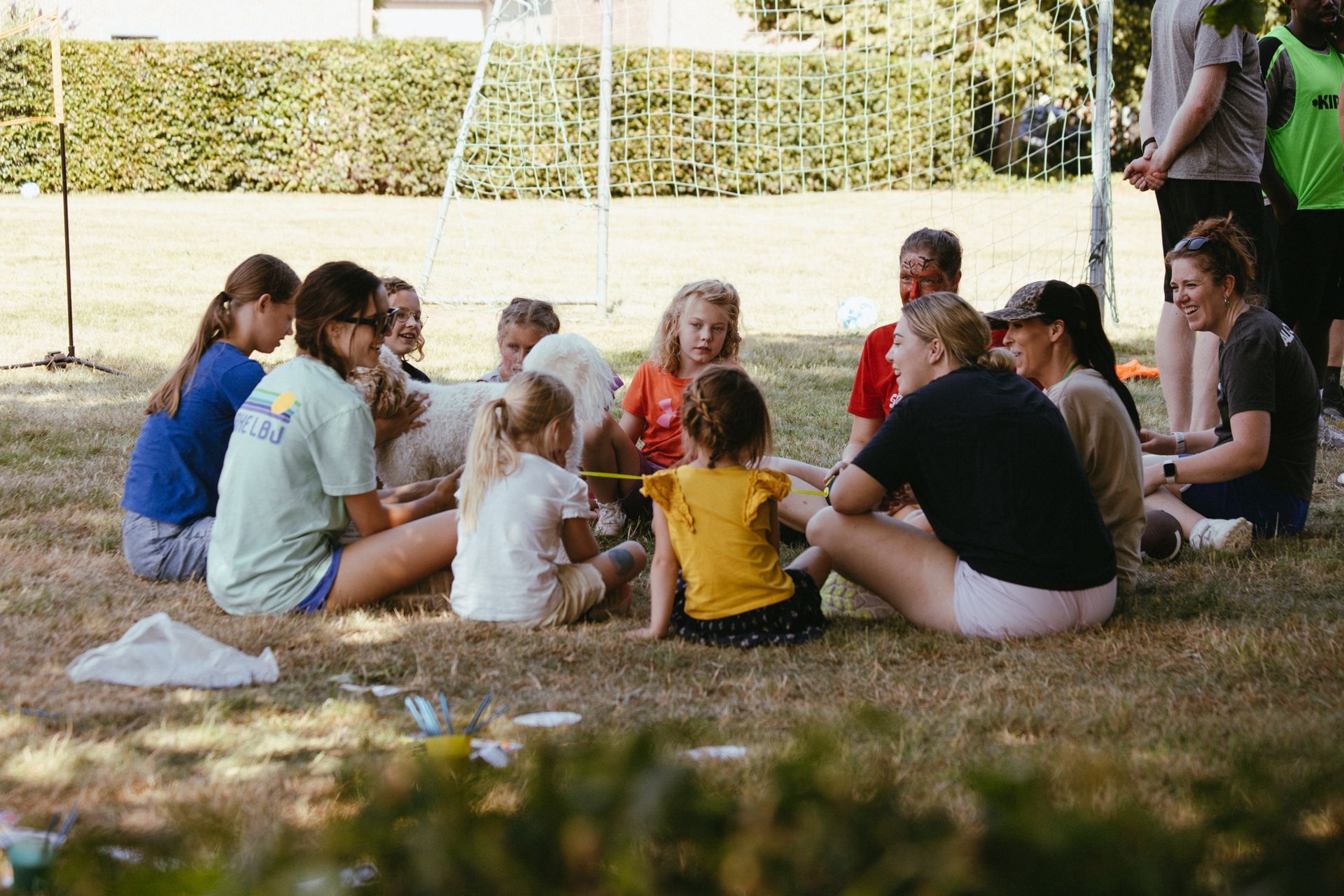
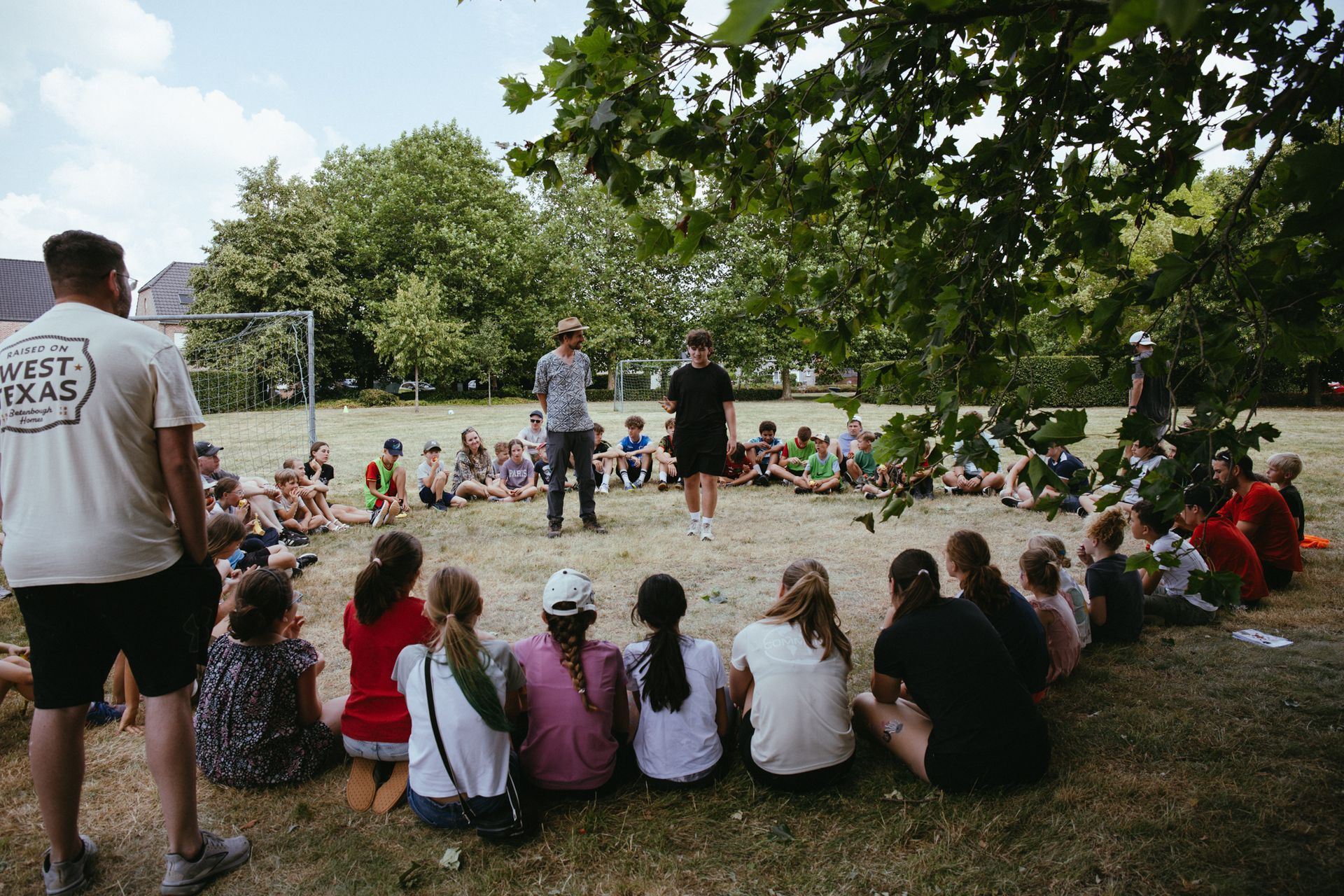
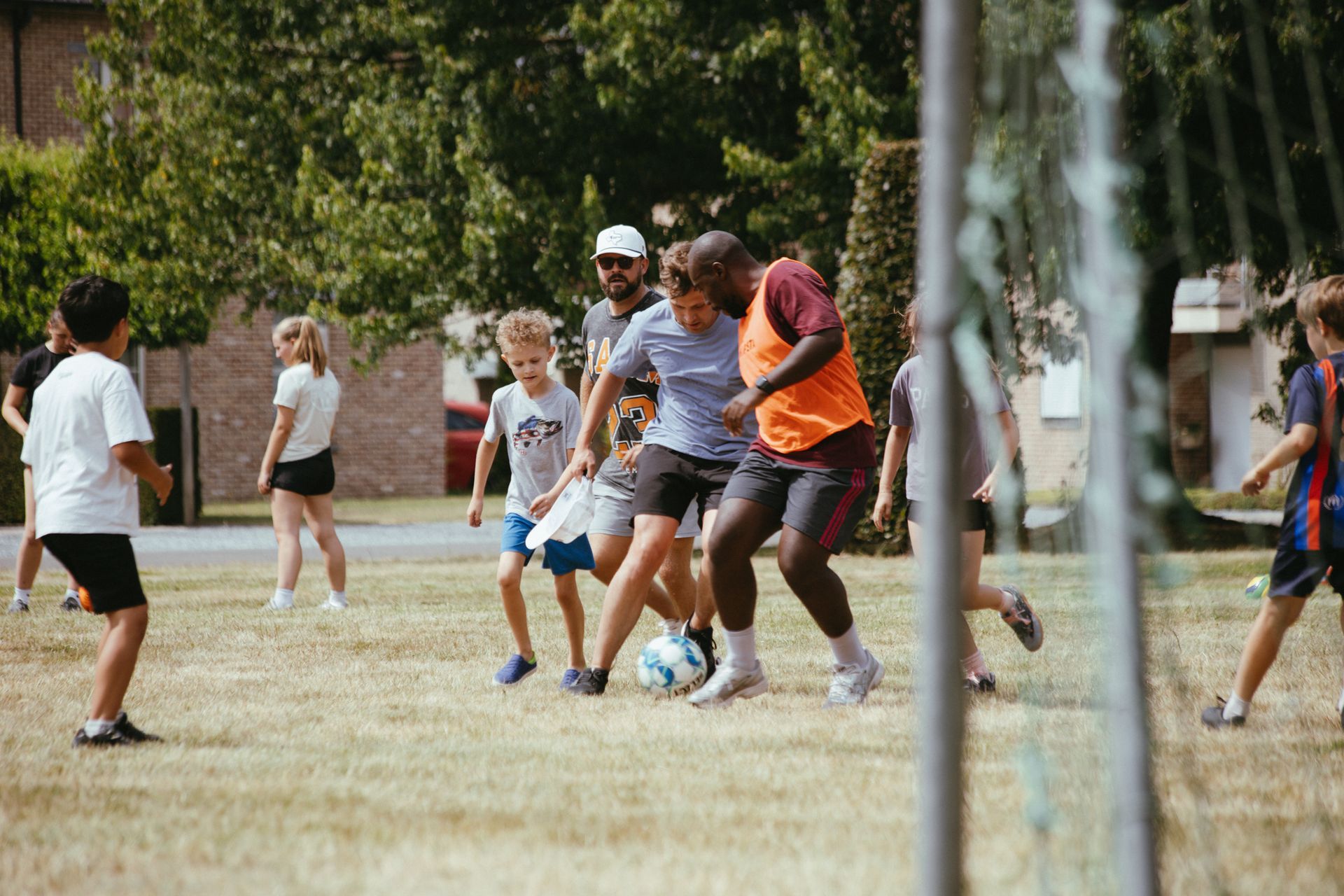
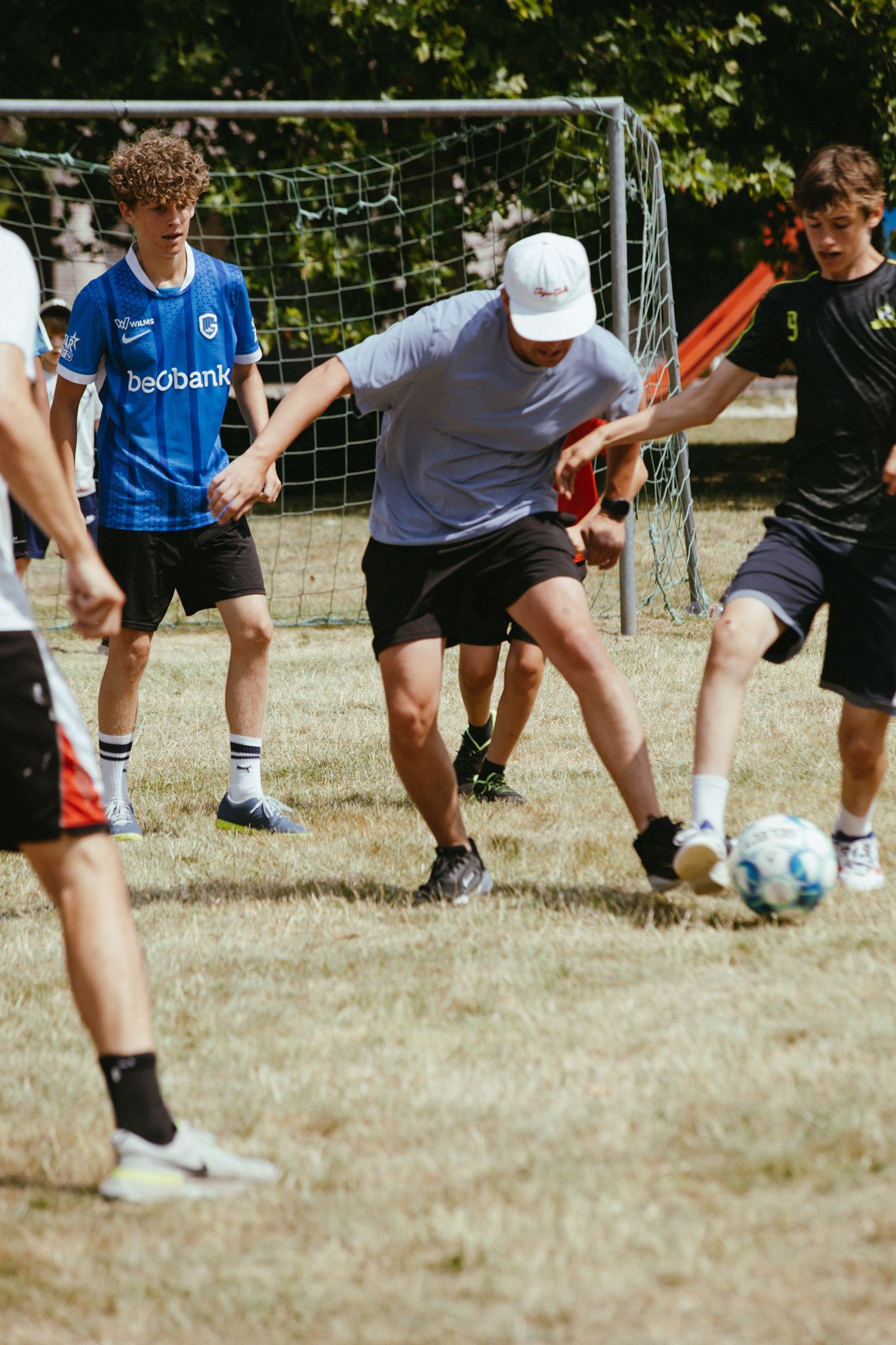
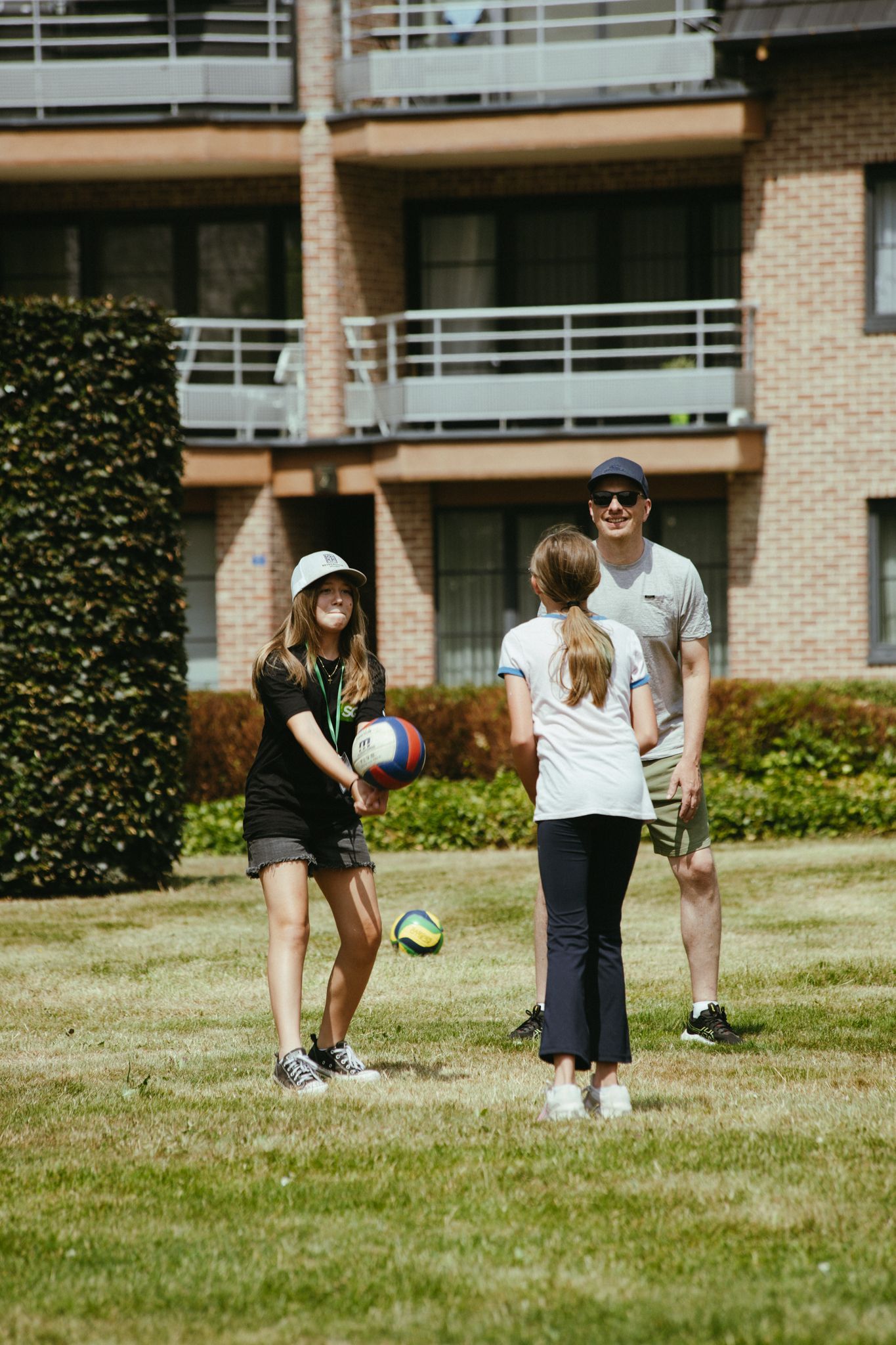
Each morning, they stepped onto the school grounds and coached students through sports like American football, volleyball, and ultimate frisbee. These activities went beyond instruction. They created a setting where trust formed quickly. Students engaged, asked questions, and opened conversations about faith and purpose. 


Connection, not performance, defined what stood out.


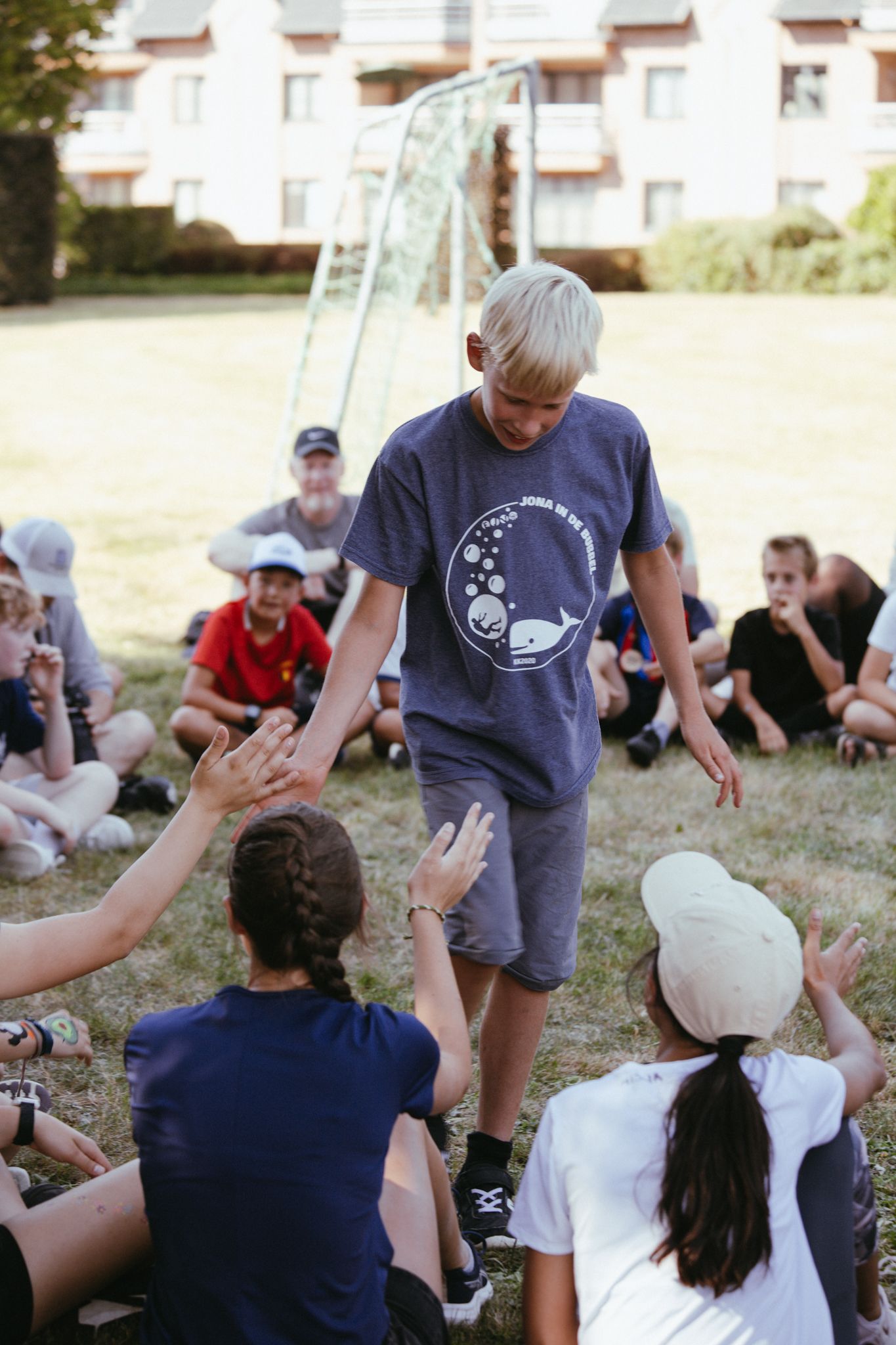
Students who began the week hesitant grew more confident. Relationships formed across language barriers. Team members met students where they were, often at eye level, building trust through consistency and care. These moments created space for meaningful conversations that carried beyond the field.


Work That Reflects Care for the Community

Each afternoon, the team moved to Iglesia Bautista Recoleta. There, they worked alongside church members to restore and care for the physical space.


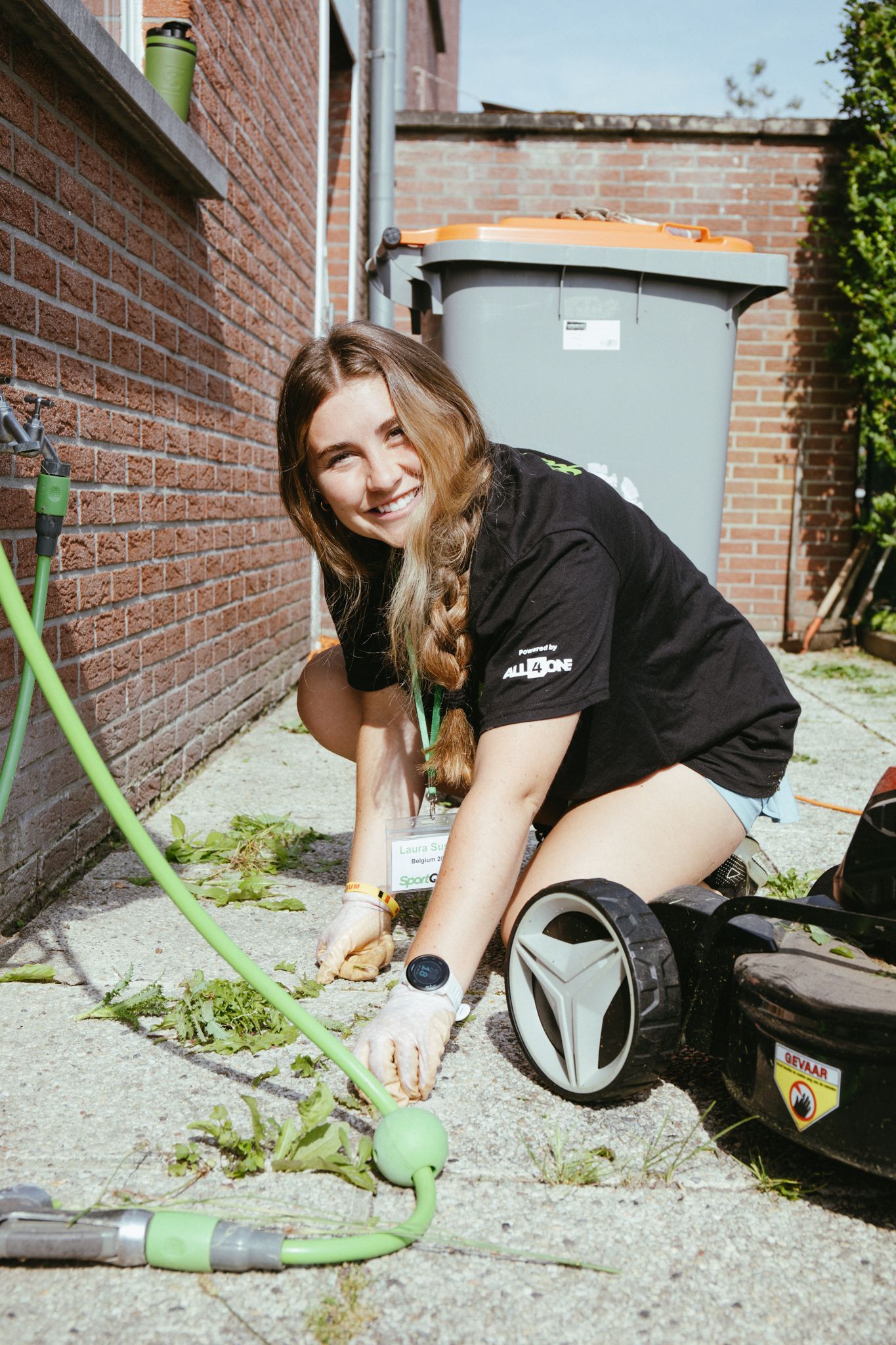
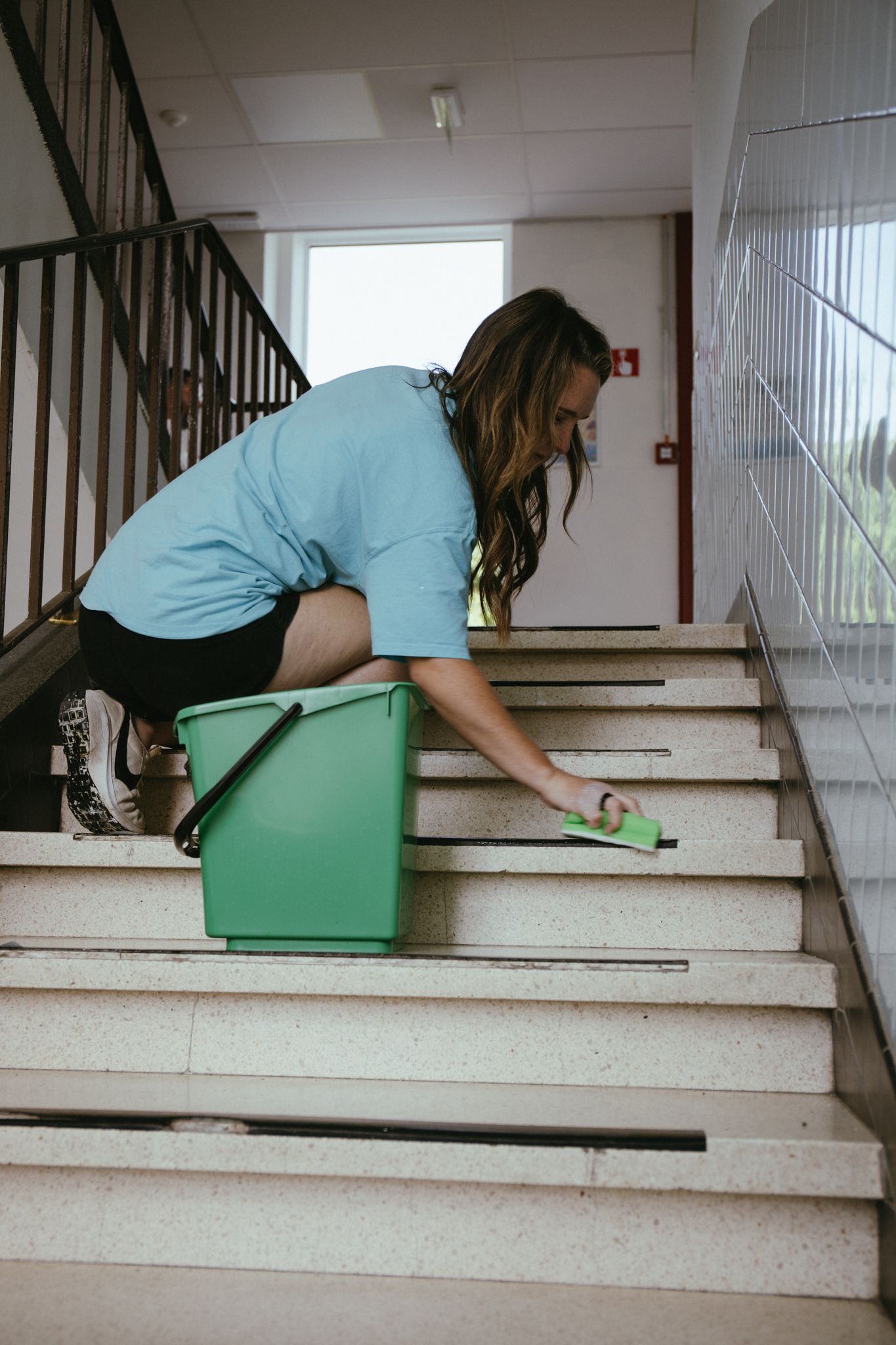
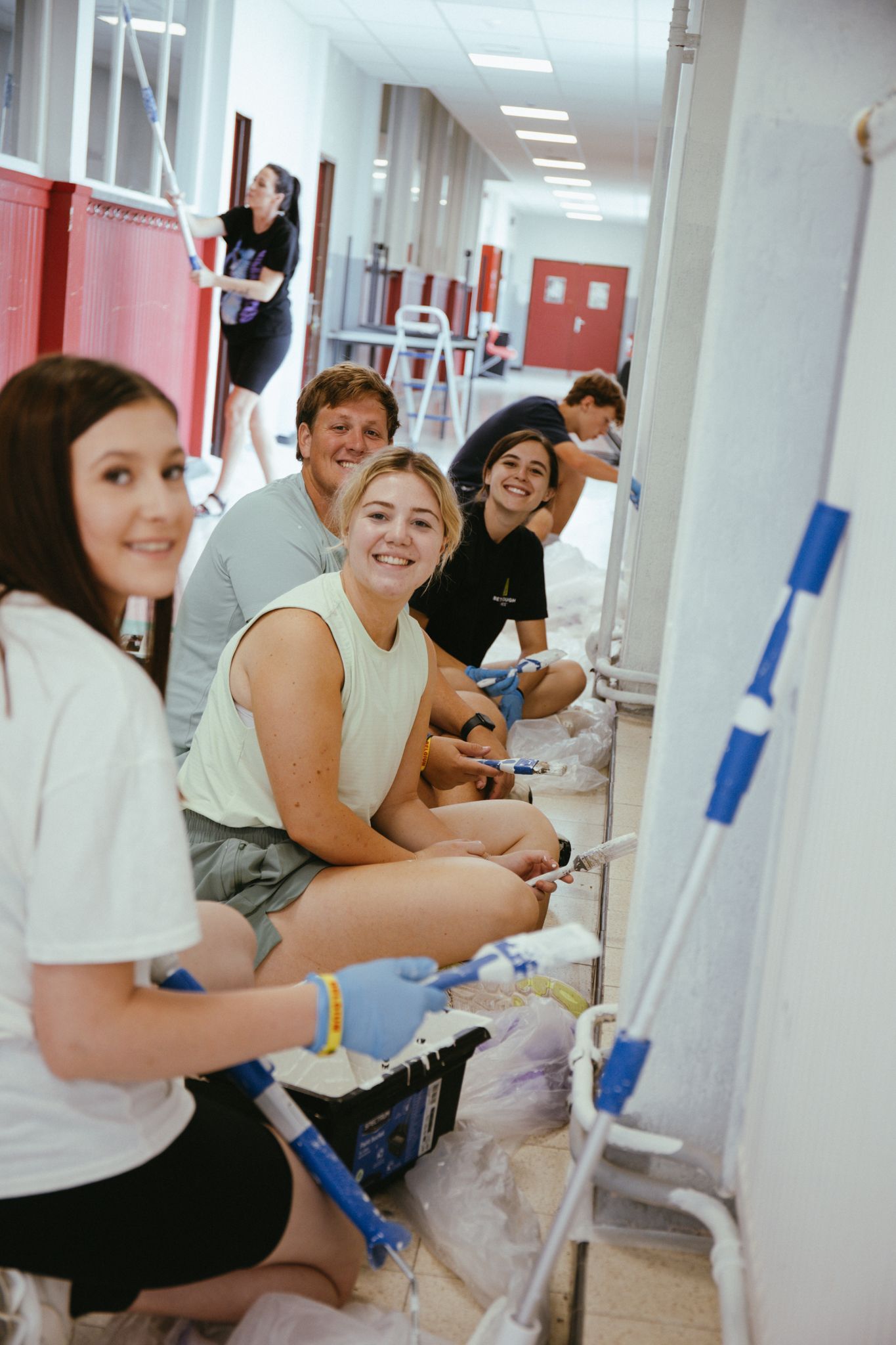
They painted walls, repaired areas of the property, restored garden space, and improved the environment where the church gathers each week. The team brought effort, coordination, and shared ownership to the work. It also created natural opportunities for connection between the team and the local church.


As the week progressed, the visible change in the space reflected the team’s investment. More importantly, it strengthened relationships that will carry forward long after the trip.


A Clear Reminder of What Matters

Throughout the week, one theme became clear.


Winning looks different in Kingdom work.


The team saw this in the way students responded, in the consistency of local leadership, and in the quiet moments where faith became personal. The team planted seeds. Conversations carried weight. Both the team and the community grew through the partnership. 


One student’s simple statement captured it well: “God protects.” That truth captured what the team experienced throughout the week. God worked through presence, consistency, and care. 


Growth Within the Team

This experience shaped the team as much as the community they served.


Team members stepped into leadership in real time. They led drills, shared their faith, and engaged in conversations that required clarity and humility. They navigated language barriers and learned to communicate through actions as much as words. 


The week of serving led to meaningful growth.


One team member shared that she believes God placed her on the Vision Trip with purpose. During a devotional at the church, she stepped forward and shared her testimony publicly for the first time. As a wife, mother, and grandmother, she spoke honestly about her story of pain and disappointment. The relationships she built with the team and the openness she saw in the students gave her the courage to speak.


She shared that her story continues, and that she will return home to invest in young women in her community who need strong, steady examples of faith.


Many returned home with greater confidence in how God can use them in everyday settings. They also gained a deeper understanding of what faithful, long-term ministry requires.


More Than a Week

From the outside, a Vision Trip may appear short-term from the outside. On the ground, it tells a different story.


This week in Santiago revealed the strength of long-term partnership. José and Gislaine continue this work every day. The local church continues to serve its community. The students who engaged this week will carry those conversations forward.


The team’s role was to step into that ongoing work, strengthen it, and return home with a clearer understanding of how God is moving.


Moving Forward

This trip strengthened more than a single community. It equipped leaders. It deepened conviction. It reinforced the value of consistent, relational ministry.


As SportQuest continues to build partnerships in places like Chile, the focus remains clear. Invest in people. Strengthen local leadership. Create environments where faith becomes real and active.


This is how Kingdom impact multiplies. Through faithful, ongoing work that multiplies over time.


Take the Next Step

Organizations do not need to build something from scratch to engage in meaningful global impact.


SportQuest Vision Trips create a clear pathway for teams to step into established, trusted partnerships like the work in Santiago. Your team can serve alongside local leaders, invest in real relationships, and return home with a deeper understanding of how faith becomes active in everyday life.


If your organization is exploring how to engage your people in hands-on mission, we invite you to start the conversation.


Learn more about hosting or joining a SportQuest Vision Trip contact Jacob at jacob.susud@sportquest.org.
SHARE THIS ARTICLE

August 7, 2026
Inside the 2026 Guatemala Family Vision Trip The 2026 Guatemala Family Vision Trip brought families together to live and serve on mission as a family. From July 7 through 14, the team spent the week in and around Antigua alongside local SportQuest Partners Mynor and Rachel Mendez. Families served in local communities, built relationships across cultures, and practiced rhythms that strengthen family unity. Each experience gave them another opportunity to work together and consider how a shared mission can shape life back home. The purpose extended beyond serving for a week in Guatemala. The trip challenged each family to think intentionally about the kind of home they want to build and how they can live as a Kingdom Outpost together. Developing a Vision for Home Throughout the week, families explored the four pillars of a Kingdom Outpost family: Multigenerational Vision, Priesthood of the Family, Culture, and Adventure. Training, devotionals, and time in the Family Vision Workbook helped each family define its identity, vision, mission, and core values. These conversations asked them to identify what matters most and consider how those priorities shape everyday family life. The itinerary gave them opportunities to practice those ideas rather than simply talk about them. Daily responsibilities, shared meals, family time, service, and debriefs became part of the experience. Serving Side by Side In Parramos, the team led sports clinics for approximately 45 boys and girls, ages 12 to 14. The children from the Vision Trip did not watch from the sidelines. They joined the local students in sports, games, and activities while their families served together. In Barrio La Cruz, the work looked different. Team members worked together to build stoves for local families and spent time playing games and sports with children in the community. During another part of the day, women gathered for a cooking class and Bible study while children participated in sports and games. These experiences gave every member of the family a way to contribute. Parents and children could work together, serve together, and see firsthand how each person has a role in a shared mission. Practicing Family Rhythms Some of the most intentional parts of the week happened away from the service projects. Daily devotionals and debriefs gave the team time to process what they experienced. Families worked through their Family Vision Workbooks, shared meals, completed responsibilities together, and made space for conversations about their life at home. A Shabbat dinner on Saturday evening put one of those rhythms into practice. Each parent took a role in the meal as families experienced Sabbath together and considered what it means for parents to lead spiritually within their homes. The week also made room for adventure and cultural experiences. Families explored Antigua, attended church together in San Lucas, and hiked Pacaya Volcano. These shared experiences gave them time to learn, work together, and experience Guatemala beyond the projects where they served. Bringing It Home On the final full day, the team returned to Barrio La Cruz to serve before gathering for a trip debrief. That final conversation brought the week back to its original purpose. Families reflected on what they had experienced, discussed what they had learned, and revisited the vision they had been developing throughout the trip. The goal was not to leave the rhythms of the week in Guatemala. Family identity, vision, mission, core values, shared meals, Sabbath, service, and family meetings gave each family practical ways to continue building an intentional family culture at home. The trip gave them a week to practice being a family on mission together. Home is where that mission continues. Take the Next Step A SportQuest Family Vision Trip gives families an opportunity to serve within established, trusted partnerships while learning to live on mission together. Through service, training, adventure, and shared family rhythms, each member has a role as the family serves alongside local leaders and builds relationships across cultures. To learn more about hosting or joining an upcoming SportQuest Vision Trip, contact Jacob at jacob.susud@sportquest.org .
July 1, 2026
Let’s be honest about the story most Christian families are living. Work hard. Pay the mortgage. Help the kids with homework. Get to church when the schedule allows. Try to be kind. Survive the week. Repeat. That’s not a bad life. But is it a great story? Author Donald Miller asks a question that stays with you: if your life were a movie, would anyone want to watch it? Not because it needs to be dramatic or spectacular, but because a good story requires something more than comfort and routine. It requires a character pursuing something worth pursuing. The fourth pillar of a Kingdom Outpost family is Adventure, and it’s the most outward-facing of all four pillars. It’s the invitation for your family to stop being the audience of someone else’s story and start being a team on mission in God’s. The Nest vs. the Team Most families, if they’re honest, function more like a nest than a team. A nest is a place of comfort, safety, and recovery. It focuses inward and shelters its occupants from the outside world. A nest has value because families need safety and belonging. But a nest that never launches anything is just a very comfortable dead end. A team is different. A team brings together people who commit to a shared mission and move together toward something that matters. Teams face challenges. Teams sacrifice for one another. Teams have a reason to show up beyond their own comfort. The Adventure pillar asks a simple but powerful question: Is your family a nest, or a team? From the very beginning, God designed the family as a team. In Genesis 1, God gave His mission to a family, not to an individual or an institution: be fruitful, multiply, and fill the earth as image-bearers. The family was God’s original mission structure. It still is. Family ON Mission, Not Family AND Mission One of the most important distinctions we make in Kingdom Outpost training is the difference between three approaches to family and mission. Family OR Mission: Some Christian families opt out of mission entirely. They focus on raising good kids who do not let the world corrupt them. Beyond that, there’s no margin, no energy, no bandwidth for anything outward. They leave mission to other people: single people, empty nesters, and ministry professionals. Family AND Mission: Other families try to do both but keep them carefully separated. Mission is what dad does on Tuesday nights. Family is the rest of the time. The two rarely touch, which leads to burnout and a family that misses the transformative benefit of being on mission together. Family ON Mission: This is the Adventure pillar. It means integrating discipleship and mission into the fabric of daily family life by inviting people into your meals, your rhythms, and your stories. It means your family isn’t in the way of mission. They are the way through which God accomplishes it. Mother Teresa once said: “If you want to change the world, go home and love your family.” Theologian Wolfgang Reinbold, studying how the early church grew from 120 people to the dominant religion of the Roman Empire in just 300 years, found that the primary engine was not superstar evangelists. It was ordinary families who raised their children in the faith and shared it with the people immediately around them. One family at a time. One neighbor at a time. The family on mission is not a modern innovation. It is the original strategy. Finding Your Family’s Mission Field Adventure isn’t only about big trips or dramatic gestures, though those have their place. It begins with identifying where God has already positioned your family to make a difference. We call this simple framework P.I.E.S. Proximity: Who is right around you? Your neighbors, your apartment building, or the families at your kids’ school? These are the people God has placed in your immediate orbit. Proximity alone is a form of calling. Interests: What does your family love to do? Sports, cooking, music, outdoor activities, or board games? Shared interests create natural relational bridges to people who don’t yet know Christ. Experiences: What hard things has your family walked through? Addiction recovery, blended family challenges, loss, financial hardship, or disability? The places where you’ve suffered are often the places where your story has the most power to encourage others. Service: Where are there needs around you that your family could meet together? A food bank, a neighbor who needs help with yard work, or a family going through a hard season who needs a meal. Serving together shapes a family’s character in ways that instruction alone never can. Start there. Not with a grand plan, but with a next step. Invite one neighbor to dinner. Volunteer somewhere as a family once a month. Make hospitality a regular practice rather than an occasional event. What Adventure Does to a Family When a family lives on mission together, something happens that no other experience can produce. In the book A Million Miles in a Thousand Years, Donald Miller writes about a dad who didn’t “fix” his daughter’s life with a better argument or a stricter rule. He invited her into a bigger story. And that story gave her something to live for that was more compelling than the small one she had been living. This is what adventure does to families. It builds something between parents and children that ordinary life rarely generates: shared purpose, shared sacrifice, and shared memory. It gives teenagers a reason to engage with their family rather than seek significance elsewhere. It gives young children a vision for the world that extends beyond their own happiness. And it plants something in the soil of a family that grows for generations. The Bigger Picture The Adventure pillar is the most outward-facing of the four, but it depends on the other three. A family with multigenerational vision understands why mission matters beyond their own lifetime. A family that embraces the Priesthood of the Family knows they carry God’s presence wherever they go. A family with strong culture has the rootedness to engage the world without letting the world shape them. Together, these four pillars describe a family that is genuinely dangerous to the powers of darkness, not because of its own power, but because it surrenders to God. That family puts down roots deep enough to live outwardly and faces outward enough to leave a legacy. That is a Kingdom Outpost. And it starts with a willingness to stop living a small story and ask God what a bigger one looks like for your family. Making It Practical: Where to Start Adventure does not begin with a mission trip or a major commitment. It begins with a next step: one decision to turn your family outward. Here are a few places to begin. Map your P.I.E.S. Sit down as a family and identify who is already in your Proximity. Write down the names of neighbors, families at your kids’ school, or coworkers you see regularly. Ask what Interests your family shares with people around you: sports, food, music, and outdoor activities. Those are natural bridges. Talk about your Experiences: what hard things has your family walked through that might be exactly what someone else needs to hear? Identify one simple Service opportunity your whole family can do together in the next 30 days. Start with your table. Hospitality is the most accessible form of family mission. Pick one family or individual to invite to dinner in the next two weeks. Make it simple. The goal is connection, not performance. A meal does not have to be impressive to be meaningful. Make hospitality a monthly rhythm before you try to make it a weekly one. Name the story your family is living. Ask your kids at the dinner table: If our family were a team, what would we be playing for? Ask yourself: What is our family doing right now that is bigger than us? If you can’t answer that question, it’s not a failure; it’s an invitation. Write down one sentence describing what you want your family to be on mission for over the next year. Post it somewhere you will see it. Take one step toward a shared adventure. It could be a local service project, a family mission trip, or simply committing to pray together for someone by name each week. The size of the step matters less than the direction. Families on mission are not extraordinary people; they are ordinary families who said yes. Your next step will become the story your children tell their children. Make it worth telling. This is the fourth of four pillars that define a Kingdom Outpost family. The first pillar, Multigenerational Vision, anchors a family in something larger than itself — a legacy of faith built intentionally across generations. The second pillar, Priesthood of the Family , names who is responsible for building it. The third pillar, Culture , defines the values, rhythms, and boundaries that intentionally form daily life within the home.
June 3, 2026
Imagine you invited a stranger into your home for a week. Not a guest who’s on their best behavior — just an observer, present for the whole unfiltered reality of your family’s daily life. What would they conclude about what your family believes? Not from a plaque on the wall or a Bible on the shelf. From the way mornings start and evenings end. From how conflict is handled and how forgiveness is extended. From how much screen time is allowed to whose needs come first. From what your family protects on the calendar and what it surrenders without a fight. That observer would walk away with an accurate picture of your family’s culture — the real one, not the aspirational one. And for many of us, that picture is shaped far more by the culture around us than by anything we have deliberately chosen. The third pillar of a Kingdom Outpost family is Culture. And it begins with the conviction that the formation happening inside your home every day is either intentional or accidental — but it is always happening. Family culture is the atmosphere of your home: the values you live by, the rhythms that give your days and weeks their shape, and the boundaries that protect what matters most from being crowded out by what matters less. Values are what your family stands for — the non-negotiables that shape how you make decisions, treat one another, and engage the world. Rhythms are the repeated practices that keep those values alive in daily life. Boundaries are the things you’re willing to say no to in order to protect what you’ve said yes to. Together, these three elements create the hidden curriculum of your home — the education your children are receiving every single day, whether you planned it or not. The Problem: Most Families Are on Autopilot The honest reality is that most families’ cultures are not primarily shaped by their values. They’re shaped by the default settings of modern life. The calendar fills with activities. Screens absorb the margin. Busyness becomes the ambient condition of family life. Meals happen quickly or separately. Spiritual conversations get crowded out by logistics. Before long, the culture you’re building isn’t one you chose — it’s one that assembled itself around whatever was most urgent and most available. This drift isn’t a moral failure. It’s what happens to families who are trying hard in a culture that is not designed to support what they actually care about. Aaron Renn describes the world we now live in as a “negative world” — one that doesn’t just ignore Christian values but actively treats them as backward or harmful. In that environment, the default is not neutral. It is working against you. Which means the families who are winning this battle are not the ones who are trying hardest. They're the ones who are living most intentionally. Values: What Does Your Family Actually Stand For? Every family has values. The question is whether they have been named, agreed upon, and lived out — or whether they exist only as vague aspirations that quietly lose to whatever is most convenient. Naming your family’s values is not about writing a mission statement for the wall. It’s about answering the question: what is non-negotiable for us? What do we refuse to let the culture define for us? What commitments are we making to one another — about how we treat each other, how we spend our time, how we use our resources, and how we engage the world? Different families will arrive at different values, expressed differently. That’s appropriate. There is no one-size-fits-all set of family values. Each family has to do the work of discerning how God wants to uniquely express His Kingdom through them. Research shows that children raised in homes with clearly articulated and consistently modeled values demonstrate better outcomes across virtually every dimension: emotional health, academic performance, resilience, and faith retention. Values don’t just guide behavior — they form identity. Rhythms: Making Values Visible in Daily Life A value without a rhythm attached to it is just a sentiment. Rhythms are how values become real — the repeated practices that keep what you believe alive in the texture of ordinary life. Think in three categories: daily, weekly, and annual. Daily rhythms might include a morning affirmation, a family prayer at meals, a bedtime routine that includes blessing each child by name, or a question at the dinner table that opens the door for real conversation. These are small practices — but done consistently over years, they are profoundly formative. Weekly rhythms might include a family meal that is unhurried and phone-free, a Sabbath practice that creates margin for rest and reconnection, or a one-on-one time between parent and child. These become the heartbeat of the family week. Annual rhythms might include a family planning conversation at the new year, holiday traditions you deliberately connect to what your family believes, a family mission opportunity, or a getaway without the kids to intentionally invest in your marriage. These become the anchors of your family’s story — the moments children remember decades later. Boundaries: The Things You’re Willing to Protect If rhythms are what your family says yes to, boundaries are what your family says no to. And in the current environment, the ability to say no — clearly, consistently, without apology — is one of the most important skills a family can develop. Technology is the most obvious frontier. Teens now spend an average of nearly nine hours a day on screens — not counting schoolwork.[1] Fifty percent of teenagers report feeling addicted to their mobile devices.[2] The research on the impact of early smartphone access and social media exposure on adolescent mental health is sobering. Families that have navigated this well have not done so by accident — they made a decision, held the line, and protected something. But boundaries extend well beyond technology. They include how you protect time together on the family calendar, what you will and won’t allow to crowd out a weekly family meal, how you handle the pressure of travel sports or overscheduling, and what relational dynamics you will not allow to take root in your home. Here is the paradigm shift that changes everything: boundaries are not about limiting freedom. They are the environment in which real freedom grows. When you protect the time, the relationships, and the spiritual health of your household, you are creating the conditions for your family to actually thrive. Making It Practical: Where to Start You build intentional culture incrementally incrementally — one decision at a time, one rhythm at a time. Here are a few places to begin. Name your values. Sit down with your spouse (and your kids, if they’re old enough) and ask: What is non-negotiable for us? What do we want to be known for as a family? Write down two or three values. Keep them short enough to remember. Post them somewhere visible. Refer back to them when decisions get hard. Build one daily rhythm around those values. A morning affirmation. A question at dinner. A prayer before bed. Choose one and protect it. Consistency matters more than complexity. The same small practice repeated over years becomes part of who your family is. Once it’s locked in, add another. But do not add another until the first one is actually happening. Set one boundary you’ve been avoiding. Technology, overscheduling, a relational dynamic that is quietly doing damage — name it. Decide together what you are going to protect, and what you are willing to say no to in order to protect it. Hold the line, even when it’s uncomfortable. Boundaries are not walls — they are the environment in which your family actually gets to breathe. Do a culture audit. Spend one week paying attention. What rhythms are already running in your home? Which ones are you proud of? Which ones happened by accident and are forming your kids in ways you did not intend? You cannot change what you have not named. Naming it is the first act of intentional culture-building. A Final Word: The Culture You Build Is a Gift The culture you intentionally build inside your home will outlast you. Children raised in homes with strong, consistent family culture carry it with them. They recognize it when they encounter homes that don’t have it. They bring it into the families they build. The investment you make in shaping your home’s culture today is one of the most lasting investments you can make across generations. You don’t have to get it perfect. You don’t have to overhaul everything at once. Start with one value you want your family to be known for. Build one rhythm around it. Set one boundary that protects it. Small steps, taken consistently, build cultures that last. This is the third of four pillars that define a Kingdom Outpost family. The first pillar, Multigenerational Vision, anchors a family in something larger than itself — a legacy of faith built intentionally across generations. The second pillar, Priesthood of the Family , names who is responsible for building it. Footnotes https://www.commonsensemedia.org/sites/default/files/research/report/8-18-census-integrated-report-final-web_0.pdf https://www.commonsensemedia.org/press-releases/new-report-finds-teens-feel-addicted-to-their-phones-causing-tension-at-home