Serving Side by Side

The 2026 Panama Vision Trip


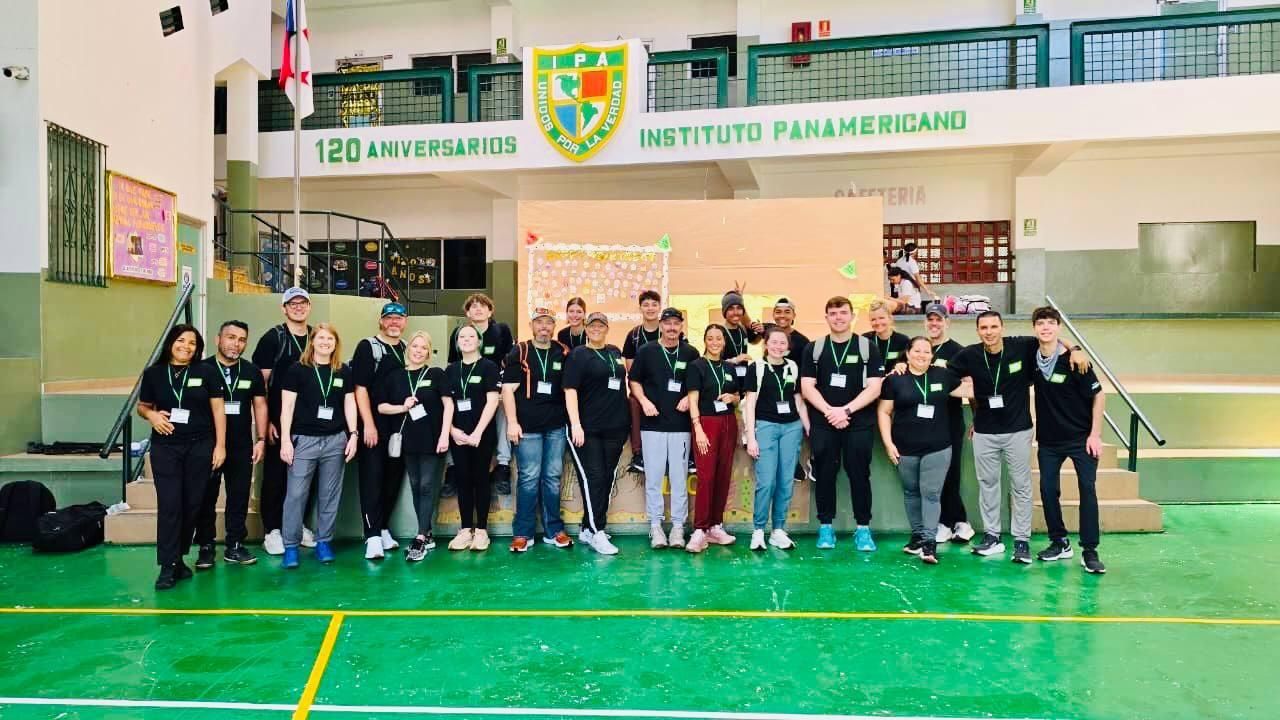
Fifteen Betenbough team members, representing five families, traveled to Panama City for a week that brought them into classrooms, onto athletic fields, and alongside local churches and families.


Led by SportQuest leaders Jacob Susud and Becky Bowden, the team served alongside local leaders Cesar and Irela Rodriguez and Kike and Zuleyka Catalan. These families have spent years investing in students, athletes, schools, and churches throughout Panama City. The Betenbough team joined that ongoing work.


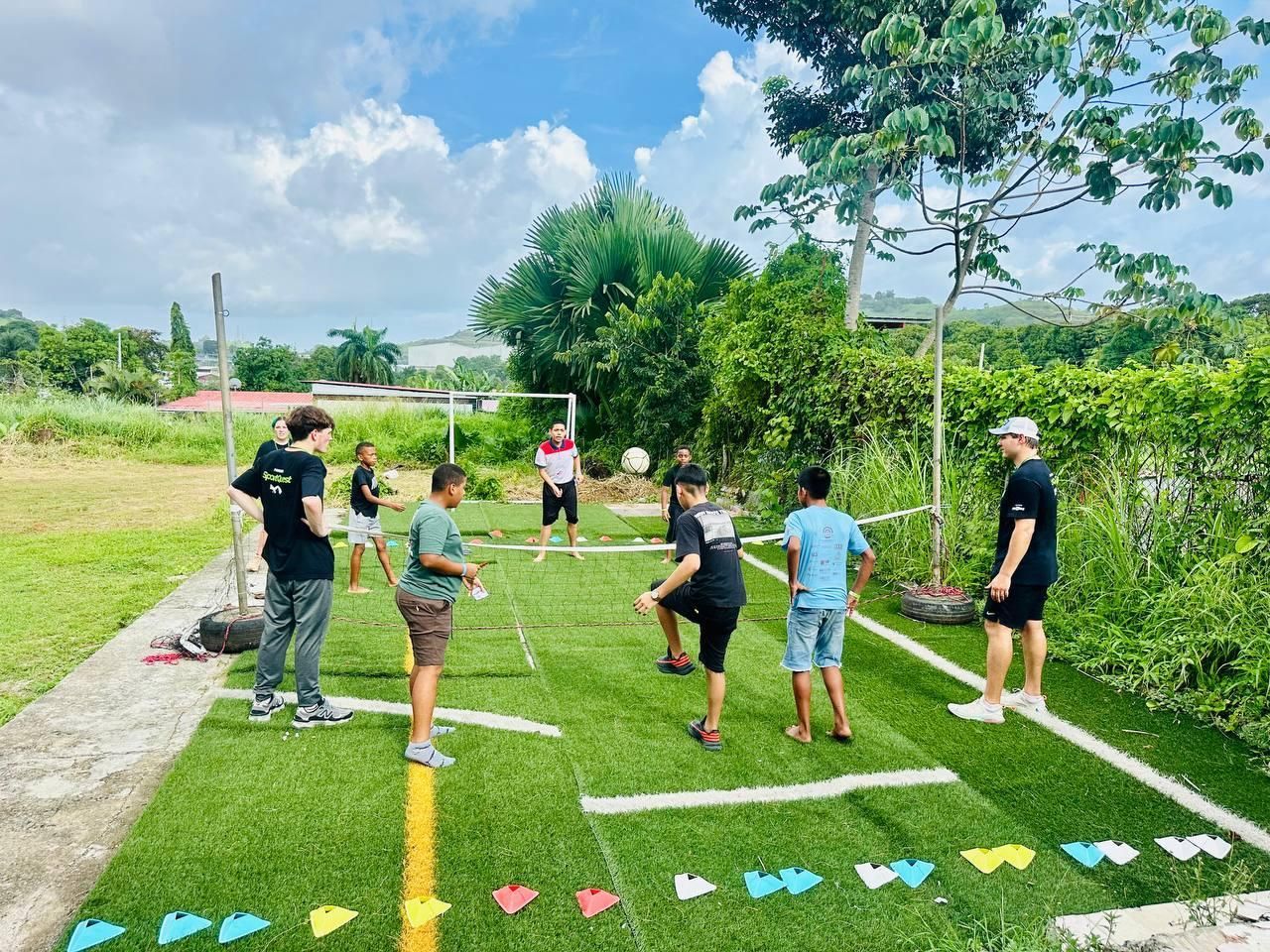
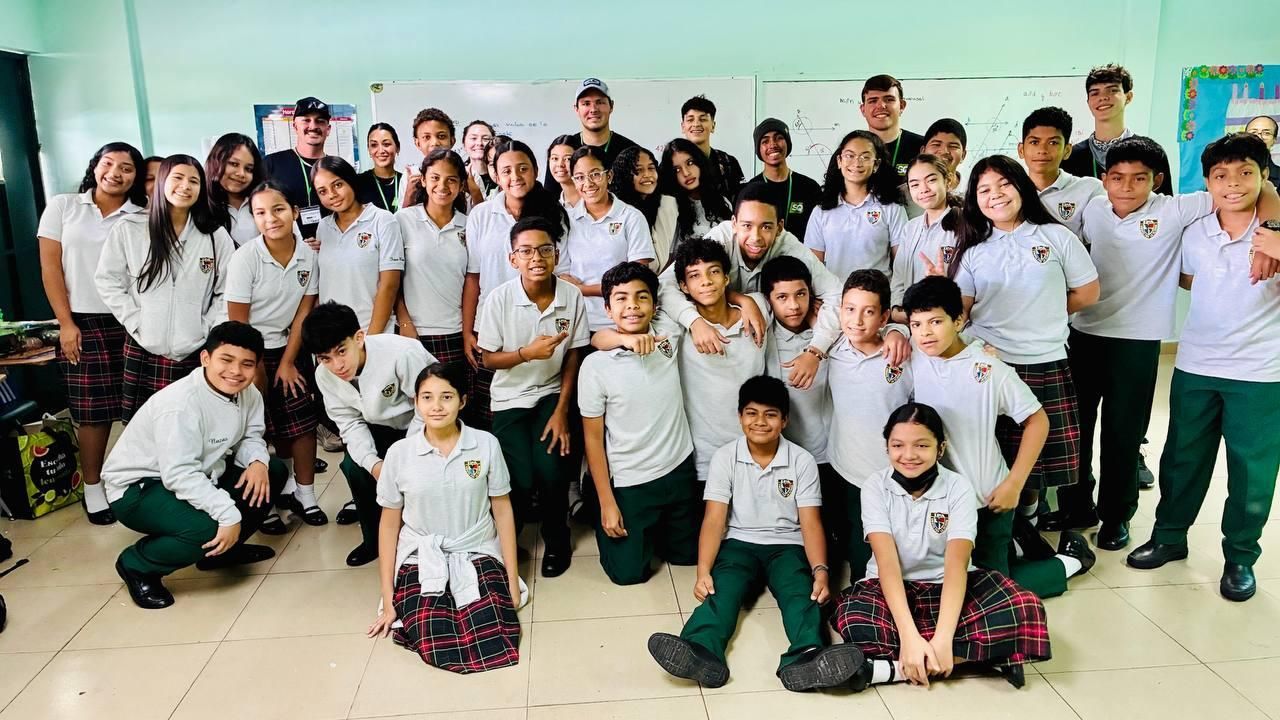
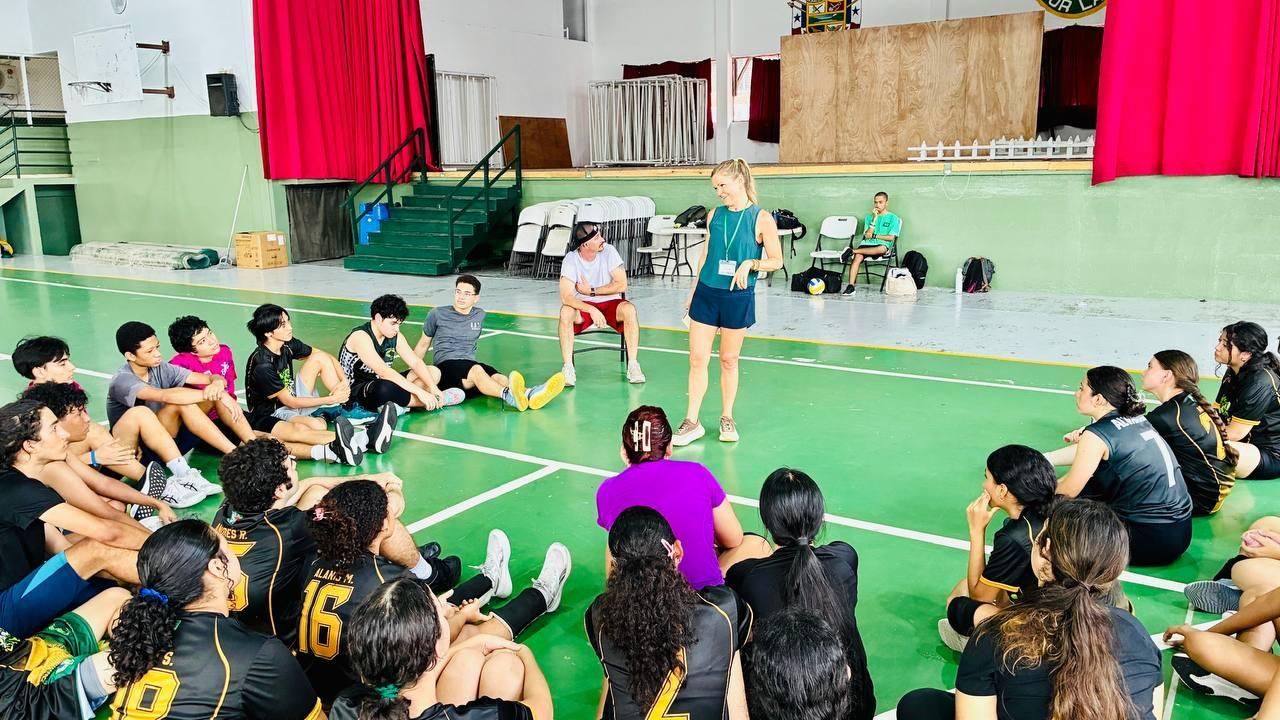
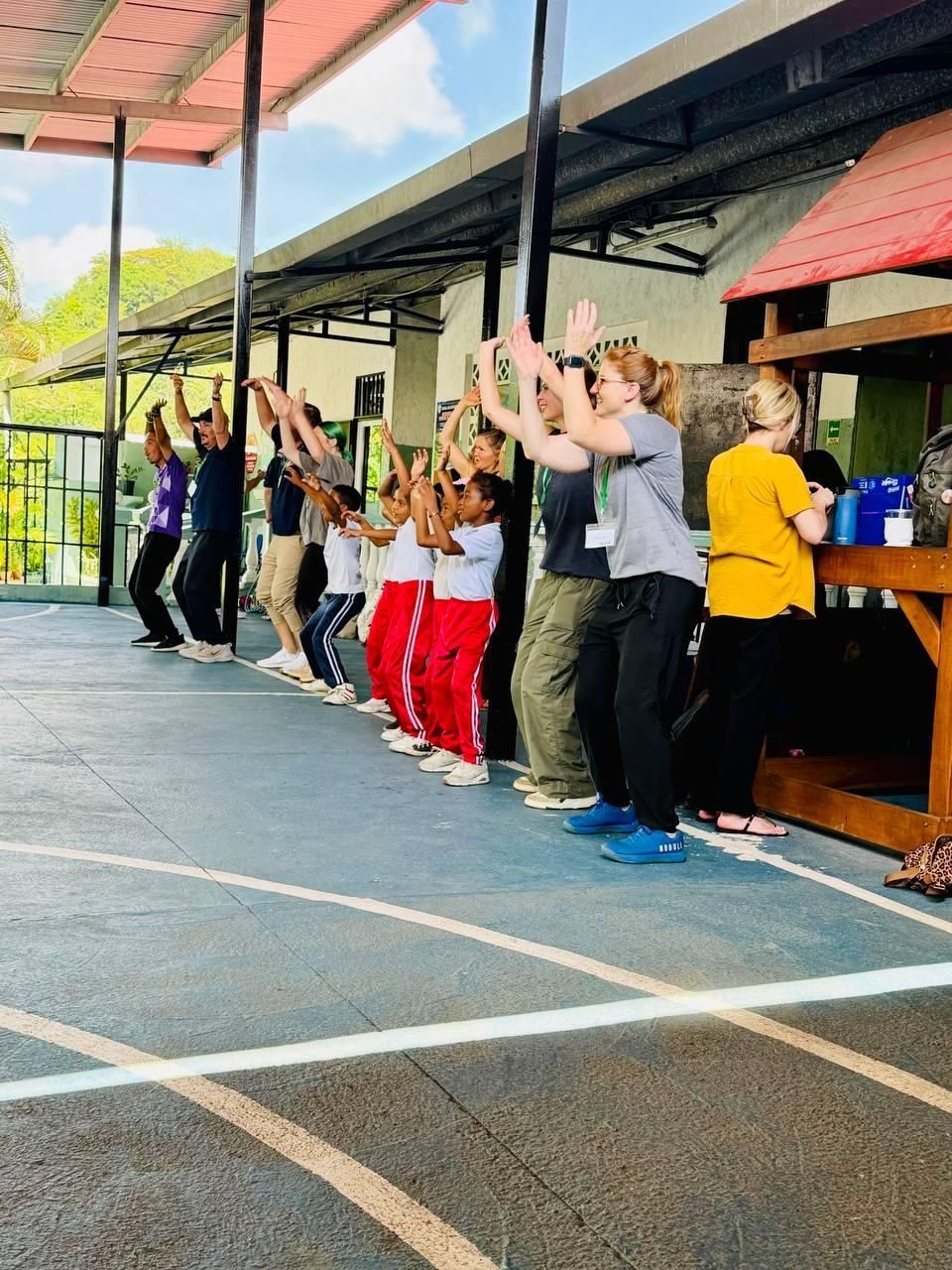
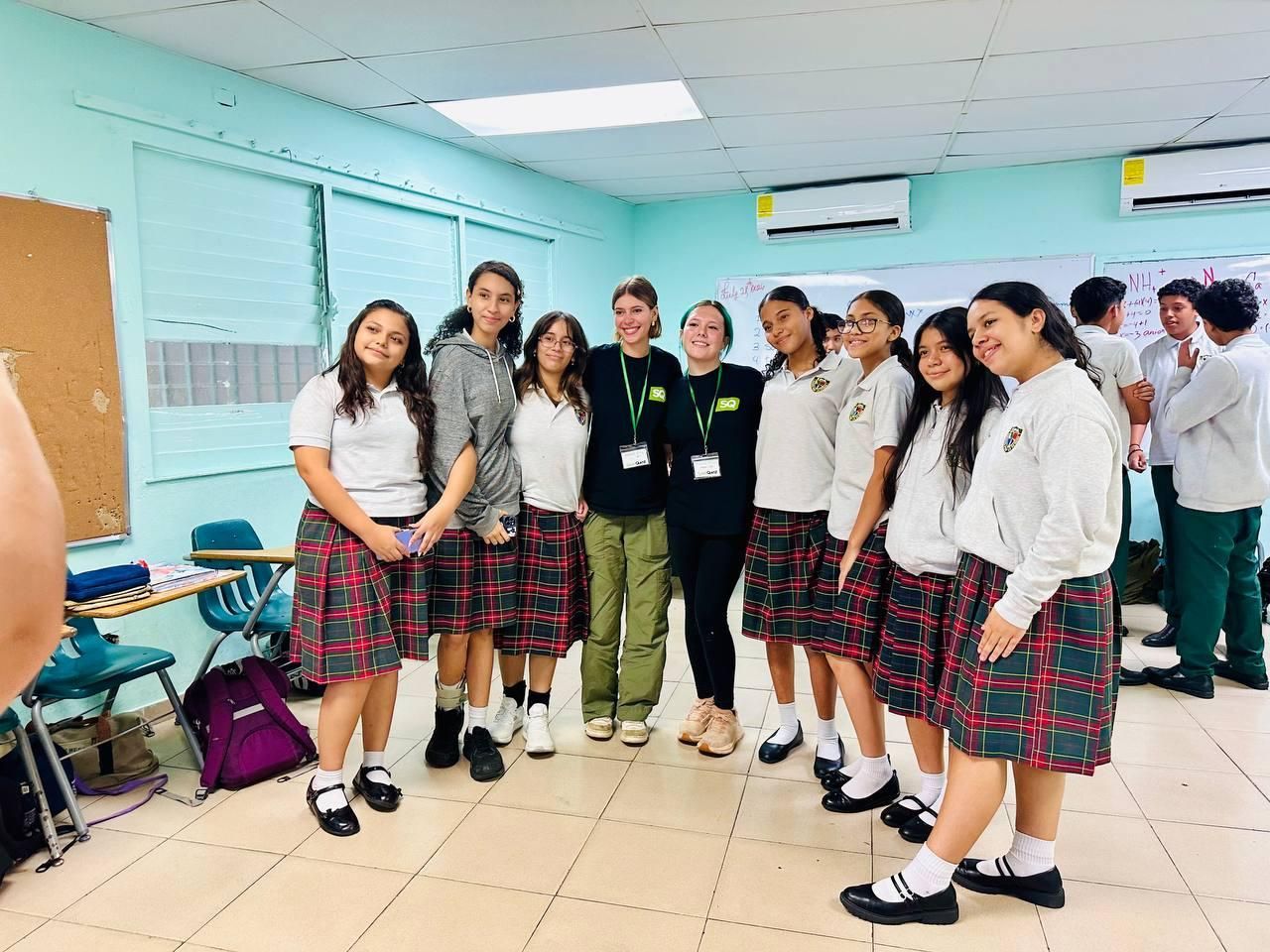
Much of the week placed team members directly with young people. They visited elementary schools and high schools, shared Bible lessons and personal testimonies, led games, and talked with students about faith. Some students stayed after the lessons to continue conversations and spend more time with the team.


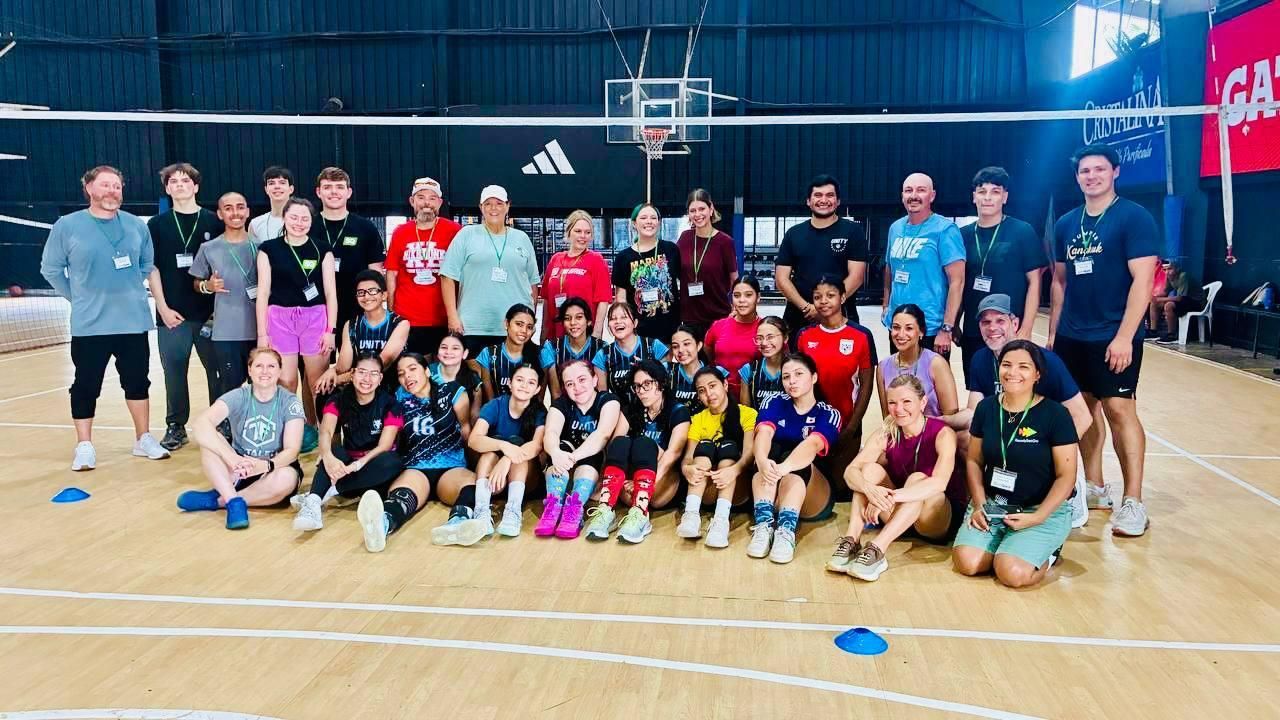
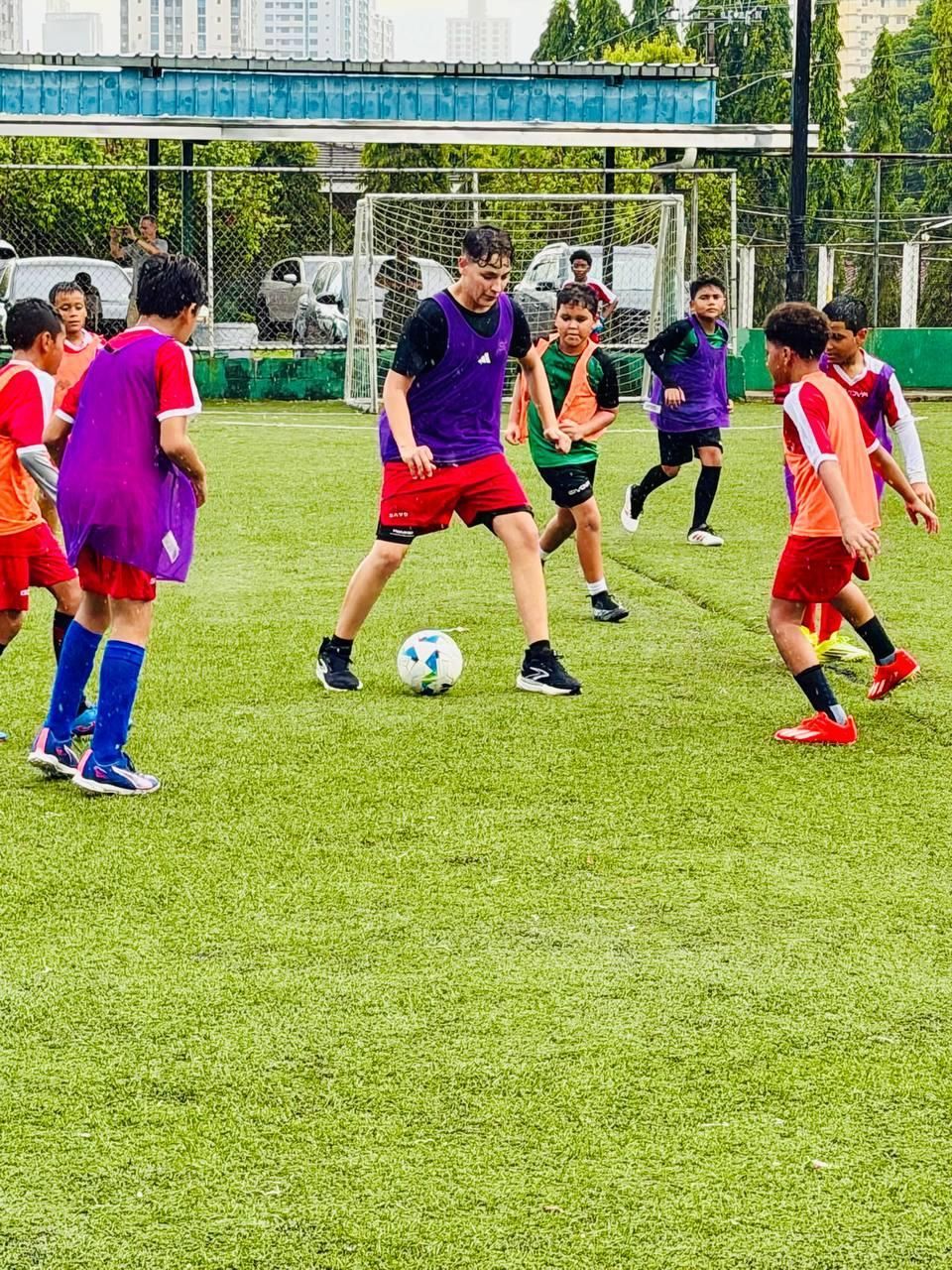
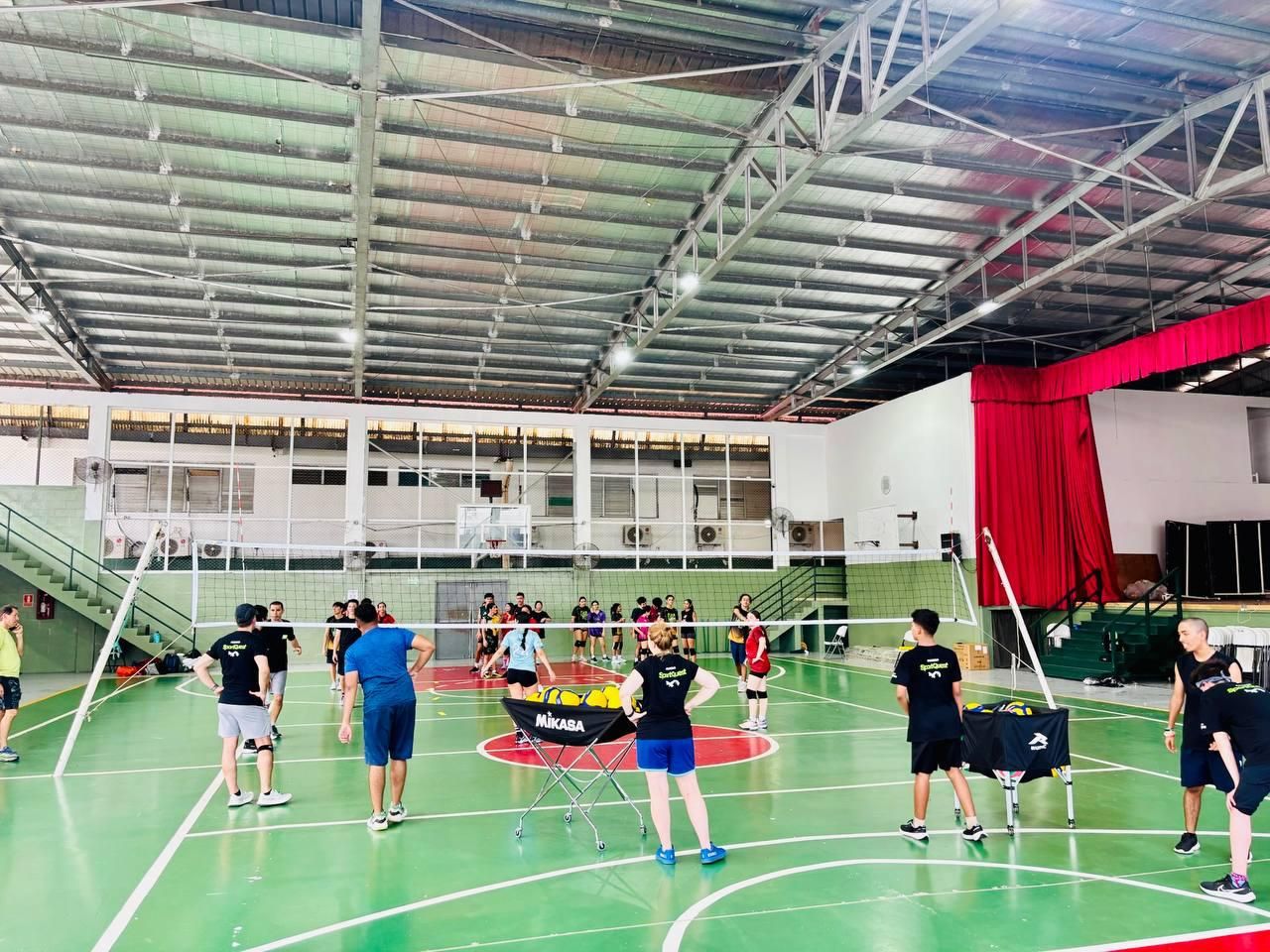
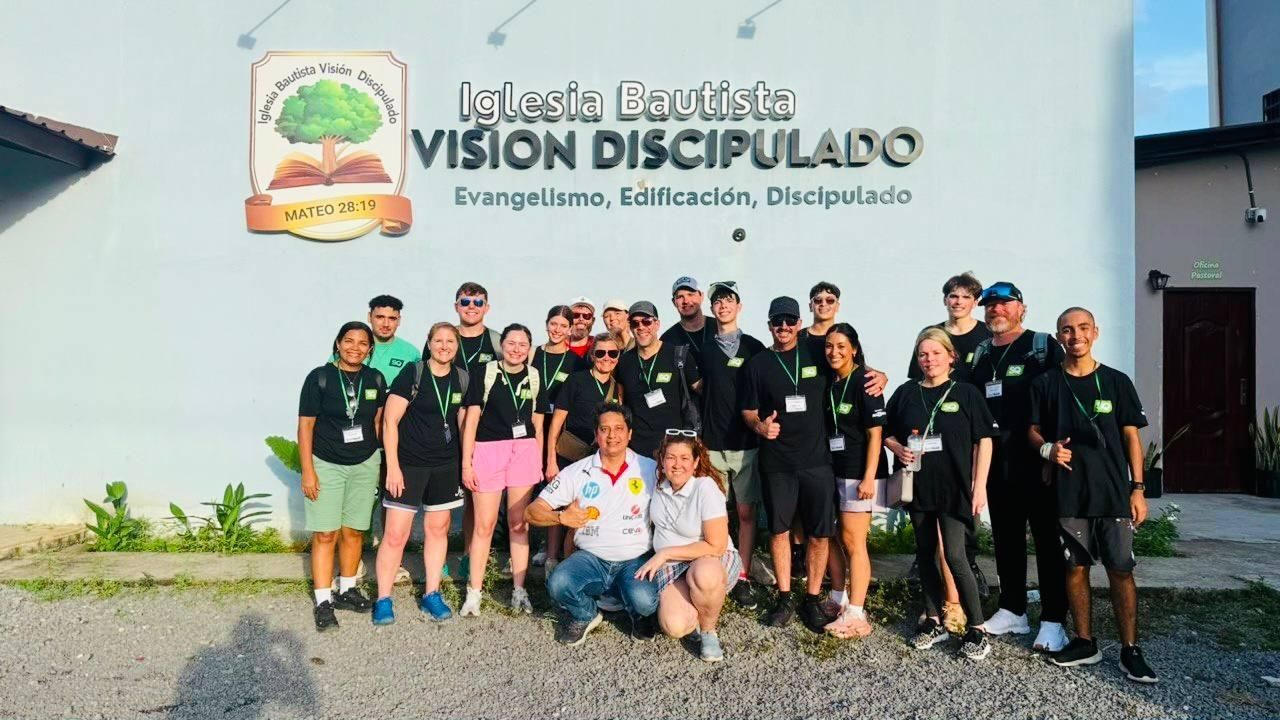
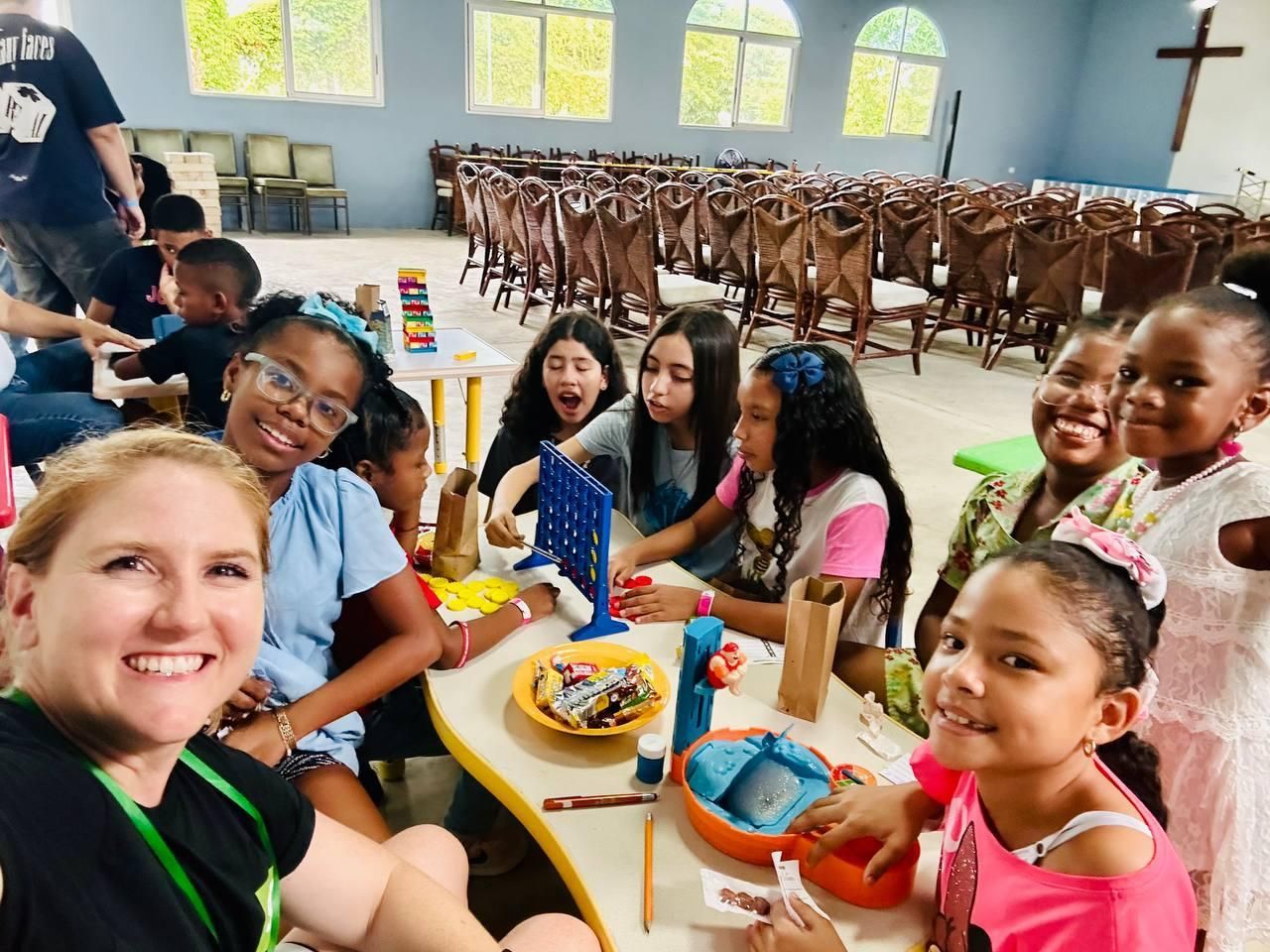
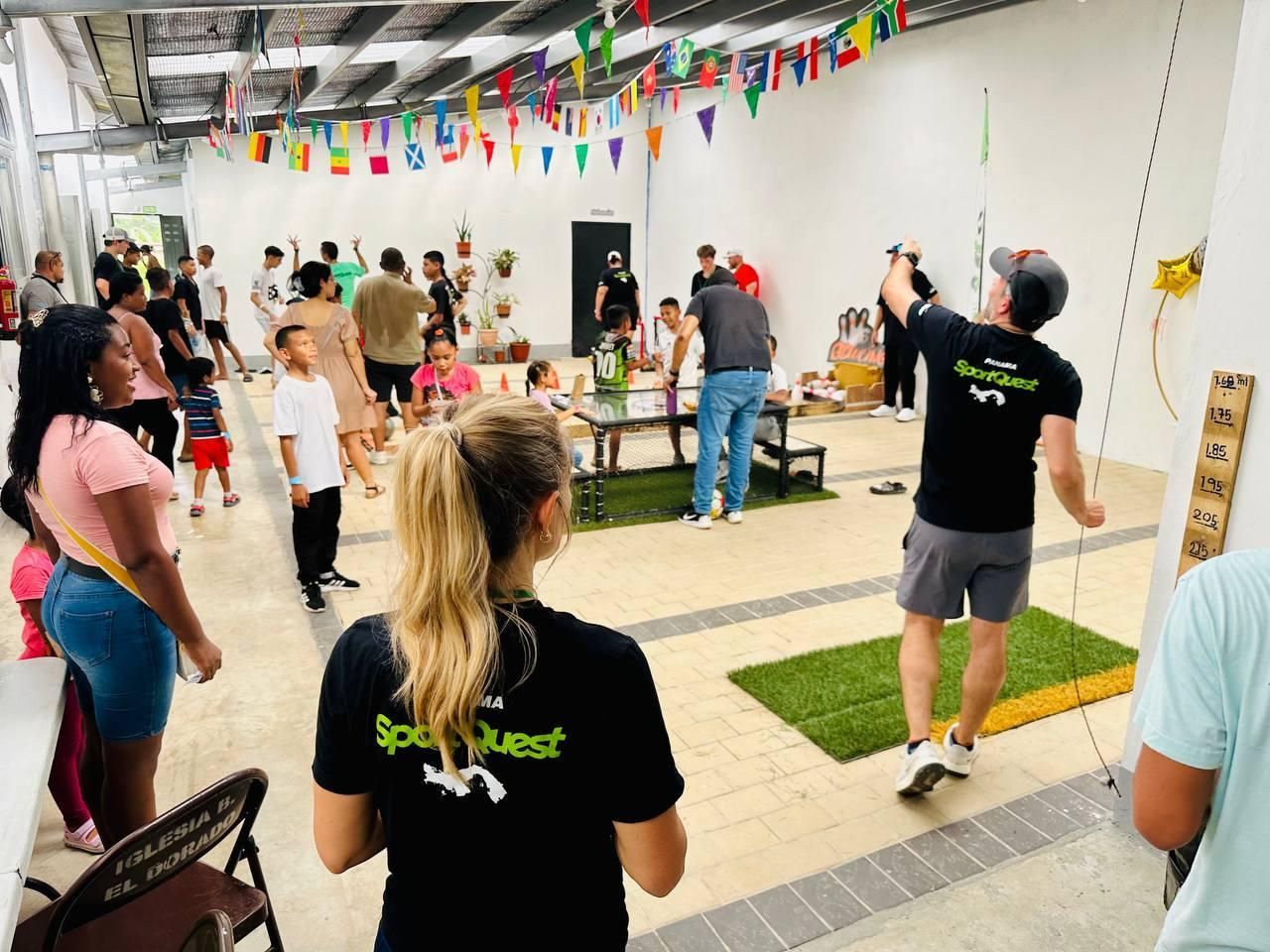
Sports provided another point of connection. Team members joined local volleyball and soccer programs, helped with practices, encouraged athletes, and shared their testimonies. They also partnered with a local church for a community festival, spending time with children and families through games, activities, and conversations about the Gospel.


Parents and children served side by side throughout the week, sharing their faith and working together in a culture different from their own.


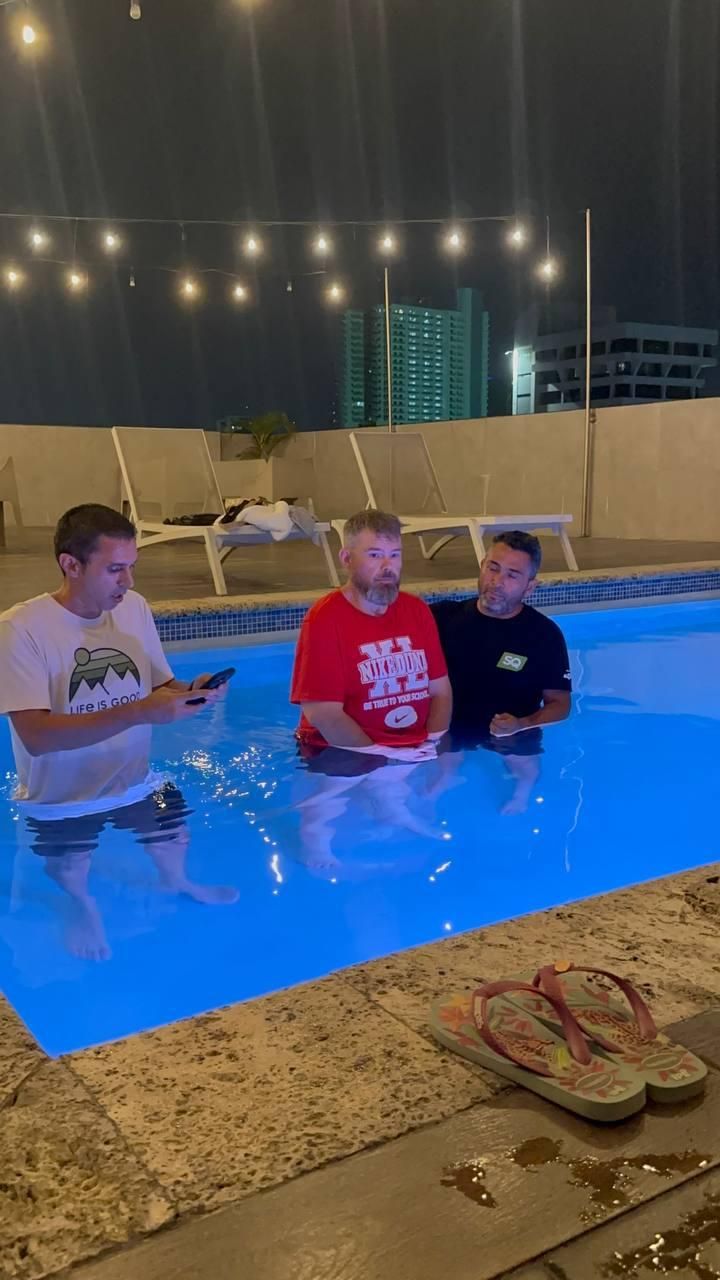
One moment brought the experience within the team into clear focus. During the trip, a Betenbough team member publicly declared their faith through baptism. The team celebrated together as someone who had traveled to Panama to serve took a significant step in their own faith.


Throughout the week, Cesar and Irela Rodriguez and Kike and Zuleyka Catalan connected the team with the people and ministries they serve throughout Panama City. When the Betenbough families returned home, these local leaders continued the work they had invited the team to join.


Take the Next Step

SportQuest Vision Trips connect organizations and families with trusted local Partners around the world. Teams join ministry already underway, serve alongside local leaders, and build relationships across cultures.


To learn more about hosting or joining a SportQuest Vision Trip, contact Jacob Susud at jacob.susud@sportquest.org.
SHARE THIS ARTICLE

August 7, 2026
Inside the 2026 Guatemala Family Vision Trip The 2026 Guatemala Family Vision Trip brought families together to live and serve on mission as a family. From July 7 through 14, the team spent the week in and around Antigua alongside local SportQuest Partners Mynor and Rachel Mendez. Families served in local communities, built relationships across cultures, and practiced rhythms that strengthen family unity. Each experience gave them another opportunity to work together and consider how a shared mission can shape life back home. The purpose extended beyond serving for a week in Guatemala. The trip challenged each family to think intentionally about the kind of home they want to build and how they can live as a Kingdom Outpost together. Developing a Vision for Home Throughout the week, families explored the four pillars of a Kingdom Outpost family: Multigenerational Vision, Priesthood of the Family, Culture, and Adventure. Training, devotionals, and time in the Family Vision Workbook helped each family define its identity, vision, mission, and core values. These conversations asked them to identify what matters most and consider how those priorities shape everyday family life. The itinerary gave them opportunities to practice those ideas rather than simply talk about them. Daily responsibilities, shared meals, family time, service, and debriefs became part of the experience. Serving Side by Side In Parramos, the team led sports clinics for approximately 45 boys and girls, ages 12 to 14. The children from the Vision Trip did not watch from the sidelines. They joined the local students in sports, games, and activities while their families served together. In Barrio La Cruz, the work looked different. Team members worked together to build stoves for local families and spent time playing games and sports with children in the community. During another part of the day, women gathered for a cooking class and Bible study while children participated in sports and games. These experiences gave every member of the family a way to contribute. Parents and children could work together, serve together, and see firsthand how each person has a role in a shared mission. Practicing Family Rhythms Some of the most intentional parts of the week happened away from the service projects. Daily devotionals and debriefs gave the team time to process what they experienced. Families worked through their Family Vision Workbooks, shared meals, completed responsibilities together, and made space for conversations about their life at home. A Shabbat dinner on Saturday evening put one of those rhythms into practice. Each parent took a role in the meal as families experienced Sabbath together and considered what it means for parents to lead spiritually within their homes. The week also made room for adventure and cultural experiences. Families explored Antigua, attended church together in San Lucas, and hiked Pacaya Volcano. These shared experiences gave them time to learn, work together, and experience Guatemala beyond the projects where they served. Bringing It Home On the final full day, the team returned to Barrio La Cruz to serve before gathering for a trip debrief. That final conversation brought the week back to its original purpose. Families reflected on what they had experienced, discussed what they had learned, and revisited the vision they had been developing throughout the trip. The goal was not to leave the rhythms of the week in Guatemala. Family identity, vision, mission, core values, shared meals, Sabbath, service, and family meetings gave each family practical ways to continue building an intentional family culture at home. The trip gave them a week to practice being a family on mission together. Home is where that mission continues. Take the Next Step A SportQuest Family Vision Trip gives families an opportunity to serve within established, trusted partnerships while learning to live on mission together. Through service, training, adventure, and shared family rhythms, each member has a role as the family serves alongside local leaders and builds relationships across cultures. To learn more about hosting or joining an upcoming SportQuest Vision Trip, contact Jacob at jacob.susud@sportquest.org .
August 7, 2026
The 2026 Belgium Vision Trip Some of the most meaningful ministry begins with something as simple as showing up. That defined the 2026 SportQuest Vision Trip to Bilzen, Belgium. Nineteen team members from Betenbough Homes traveled alongside leaders Jacob and Laura Susud and Rance and Stacy Bland to serve with longtime SportQuest Partner Kevin Verstraeten and the local church in Bilzen. Much of the week centered on a neighborhood park, where sports and games created opportunities to meet children and families. Each afternoon, the team returned to the same park, built relationships, and invested in the community. Building Relationships Around 25 children came to the park on Monday. As the week continued, children invited friends, families returned, and attendance grew. By the final day, nearly 50 children participated in the sports camp, with many parents staying to watch and spend time with the team and members of the local church. Sports, games, and activities brought children together and opened the door for conversations about faith. After games and competitions, children gathered in small groups. Team members shared biblical truths, asked questions, and listened as the children talked about faith and what they were learning. As the week progressed, those conversations became more personal. Parents also spent time engaging with the team and members of the local church. When the Vision Trip ended, Kevin and the Bilzen church remained. They continue investing in these children and families throughout the year. Beyond the Park While afternoons centered on the sports camp, mornings took the team into other parts of the Bilzen community. They worked alongside members of the local church on projects in church members' homes and at a local school, meeting practical needs while spending time with the people who serve there year-round. Church families also opened their homes for meals and conversation. The team worshiped with the local church, explored Brussels and Bastogne, and learned more about the people and culture around them. The team had not come to Belgium to create a new ministry. Kevin and the local church already knew the community, had established relationships, and continued investing in local families long after the Vision Trip ended. The Betenbough team joined that work for the week. They led sports and games, shared their faith, prayed with others, completed service projects, and built relationships across cultural differences. Daily devotionals and debriefs helped them process those experiences together. By the end of the week, nearly 50 children filled the park, compared with around 25 on Monday. Parents had joined them, and several days of returning to the same place gave children, parents, local church members, and the team time to build relationships. The Betenbough team returned home, while Kevin and the local church continued investing in the relationships built throughout the week. That is what made showing up matter. Take the Next Step SportQuest Vision Trips connect teams with established local Partners and give them a practical way to support ministry already underway. Teams serve alongside local leaders, build relationships across cultures, and see how consistent, local ministry reaches people over time. To learn more about hosting or joining an upcoming SportQuest Vision Trip, contact Jacob at jacob.susud@sportquest.org .
July 1, 2026
Let’s be honest about the story most Christian families are living. Work hard. Pay the mortgage. Help the kids with homework. Get to church when the schedule allows. Try to be kind. Survive the week. Repeat. That’s not a bad life. But is it a great story? Author Donald Miller asks a question that stays with you: if your life were a movie, would anyone want to watch it? Not because it needs to be dramatic or spectacular, but because a good story requires something more than comfort and routine. It requires a character pursuing something worth pursuing. The fourth pillar of a Kingdom Outpost family is Adventure, and it’s the most outward-facing of all four pillars. It’s the invitation for your family to stop being the audience of someone else’s story and start being a team on mission in God’s. The Nest vs. the Team Most families, if they’re honest, function more like a nest than a team. A nest is a place of comfort, safety, and recovery. It focuses inward and shelters its occupants from the outside world. A nest has value because families need safety and belonging. But a nest that never launches anything is just a very comfortable dead end. A team is different. A team brings together people who commit to a shared mission and move together toward something that matters. Teams face challenges. Teams sacrifice for one another. Teams have a reason to show up beyond their own comfort. The Adventure pillar asks a simple but powerful question: Is your family a nest, or a team? From the very beginning, God designed the family as a team. In Genesis 1, God gave His mission to a family, not to an individual or an institution: be fruitful, multiply, and fill the earth as image-bearers. The family was God’s original mission structure. It still is. Family ON Mission, Not Family AND Mission One of the most important distinctions we make in Kingdom Outpost training is the difference between three approaches to family and mission. Family OR Mission: Some Christian families opt out of mission entirely. They focus on raising good kids who do not let the world corrupt them. Beyond that, there’s no margin, no energy, no bandwidth for anything outward. They leave mission to other people: single people, empty nesters, and ministry professionals. Family AND Mission: Other families try to do both but keep them carefully separated. Mission is what dad does on Tuesday nights. Family is the rest of the time. The two rarely touch, which leads to burnout and a family that misses the transformative benefit of being on mission together. Family ON Mission: This is the Adventure pillar. It means integrating discipleship and mission into the fabric of daily family life by inviting people into your meals, your rhythms, and your stories. It means your family isn’t in the way of mission. They are the way through which God accomplishes it. Mother Teresa once said: “If you want to change the world, go home and love your family.” Theologian Wolfgang Reinbold, studying how the early church grew from 120 people to the dominant religion of the Roman Empire in just 300 years, found that the primary engine was not superstar evangelists. It was ordinary families who raised their children in the faith and shared it with the people immediately around them. One family at a time. One neighbor at a time. The family on mission is not a modern innovation. It is the original strategy. Finding Your Family’s Mission Field Adventure isn’t only about big trips or dramatic gestures, though those have their place. It begins with identifying where God has already positioned your family to make a difference. We call this simple framework P.I.E.S. Proximity: Who is right around you? Your neighbors, your apartment building, or the families at your kids’ school? These are the people God has placed in your immediate orbit. Proximity alone is a form of calling. Interests: What does your family love to do? Sports, cooking, music, outdoor activities, or board games? Shared interests create natural relational bridges to people who don’t yet know Christ. Experiences: What hard things has your family walked through? Addiction recovery, blended family challenges, loss, financial hardship, or disability? The places where you’ve suffered are often the places where your story has the most power to encourage others. Service: Where are there needs around you that your family could meet together? A food bank, a neighbor who needs help with yard work, or a family going through a hard season who needs a meal. Serving together shapes a family’s character in ways that instruction alone never can. Start there. Not with a grand plan, but with a next step. Invite one neighbor to dinner. Volunteer somewhere as a family once a month. Make hospitality a regular practice rather than an occasional event. What Adventure Does to a Family When a family lives on mission together, something happens that no other experience can produce. In the book A Million Miles in a Thousand Years, Donald Miller writes about a dad who didn’t “fix” his daughter’s life with a better argument or a stricter rule. He invited her into a bigger story. And that story gave her something to live for that was more compelling than the small one she had been living. This is what adventure does to families. It builds something between parents and children that ordinary life rarely generates: shared purpose, shared sacrifice, and shared memory. It gives teenagers a reason to engage with their family rather than seek significance elsewhere. It gives young children a vision for the world that extends beyond their own happiness. And it plants something in the soil of a family that grows for generations. The Bigger Picture The Adventure pillar is the most outward-facing of the four, but it depends on the other three. A family with multigenerational vision understands why mission matters beyond their own lifetime. A family that embraces the Priesthood of the Family knows they carry God’s presence wherever they go. A family with strong culture has the rootedness to engage the world without letting the world shape them. Together, these four pillars describe a family that is genuinely dangerous to the powers of darkness, not because of its own power, but because it surrenders to God. That family puts down roots deep enough to live outwardly and faces outward enough to leave a legacy. That is a Kingdom Outpost. And it starts with a willingness to stop living a small story and ask God what a bigger one looks like for your family. Making It Practical: Where to Start Adventure does not begin with a mission trip or a major commitment. It begins with a next step: one decision to turn your family outward. Here are a few places to begin. Map your P.I.E.S. Sit down as a family and identify who is already in your Proximity. Write down the names of neighbors, families at your kids’ school, or coworkers you see regularly. Ask what Interests your family shares with people around you: sports, food, music, and outdoor activities. Those are natural bridges. Talk about your Experiences: what hard things has your family walked through that might be exactly what someone else needs to hear? Identify one simple Service opportunity your whole family can do together in the next 30 days. Start with your table. Hospitality is the most accessible form of family mission. Pick one family or individual to invite to dinner in the next two weeks. Make it simple. The goal is connection, not performance. A meal does not have to be impressive to be meaningful. Make hospitality a monthly rhythm before you try to make it a weekly one. Name the story your family is living. Ask your kids at the dinner table: If our family were a team, what would we be playing for? Ask yourself: What is our family doing right now that is bigger than us? If you can’t answer that question, it’s not a failure; it’s an invitation. Write down one sentence describing what you want your family to be on mission for over the next year. Post it somewhere you will see it. Take one step toward a shared adventure. It could be a local service project, a family mission trip, or simply committing to pray together for someone by name each week. The size of the step matters less than the direction. Families on mission are not extraordinary people; they are ordinary families who said yes. Your next step will become the story your children tell their children. Make it worth telling. This is the fourth of four pillars that define a Kingdom Outpost family. The first pillar, Multigenerational Vision, anchors a family in something larger than itself — a legacy of faith built intentionally across generations. The second pillar, Priesthood of the Family , names who is responsible for building it. The third pillar, Culture , defines the values, rhythms, and boundaries that intentionally form daily life within the home.